How Hot Can a Wood Fire Get?
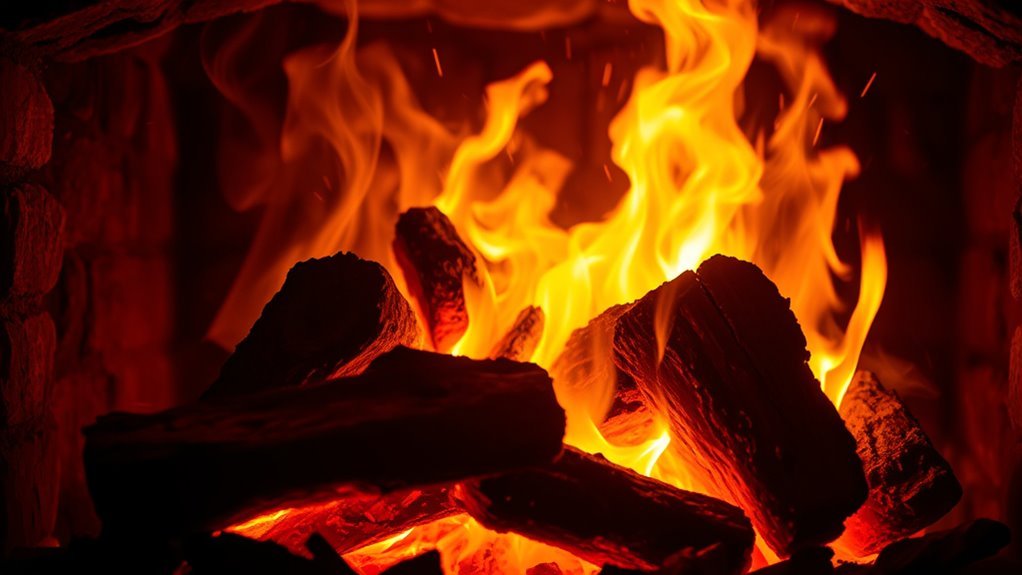
You can expect a wood fire to reach temperatures between 1,100°F and 2,300°F, depending on the type of wood and how dry it is. Hardwoods like oak burn hotter, while softwoods tend to burn cooler and faster.
This range of heat makes wood fires perfect for everything from cozy warmth to cooking meals.
Properly seasoned wood with about 15-20% moisture is key for maintaining consistent heat. It also helps reduce smoke, which keeps the air cleaner and the fire burning efficiently.
Temperatures above 500°F can ignite wood or nearby materials, so managing your fire carefully is essential.
Keep going, and you’ll discover how to keep your fire safe and efficient.
Key Takeaways
- Wood fire combustion zones reach temperatures between 1,100°F and 1,500°F, with core flames exceeding 2,000°F. The hottest parts of a wood fire can get up to 2,300°F, depending on the type of wood and how well it’s burning.
- Properly dried hardwoods burn hotter, usually between 600°F and 1,100°F. This is hotter compared to softer or wetter wood, which tends to burn cooler.
- Surface temperatures of fireplaces and stoves usually range from 110°F to 700°F during normal use. If the fire gets too hot, overfiring can happen, which means temperatures go over 1,300°F.
- Overfiring is risky because it can damage your stove or fireplace and even cause fire hazards. That’s why it’s really important to keep burn temperatures controlled for safety.
Maximum Temperatures Reached in Wood Fires
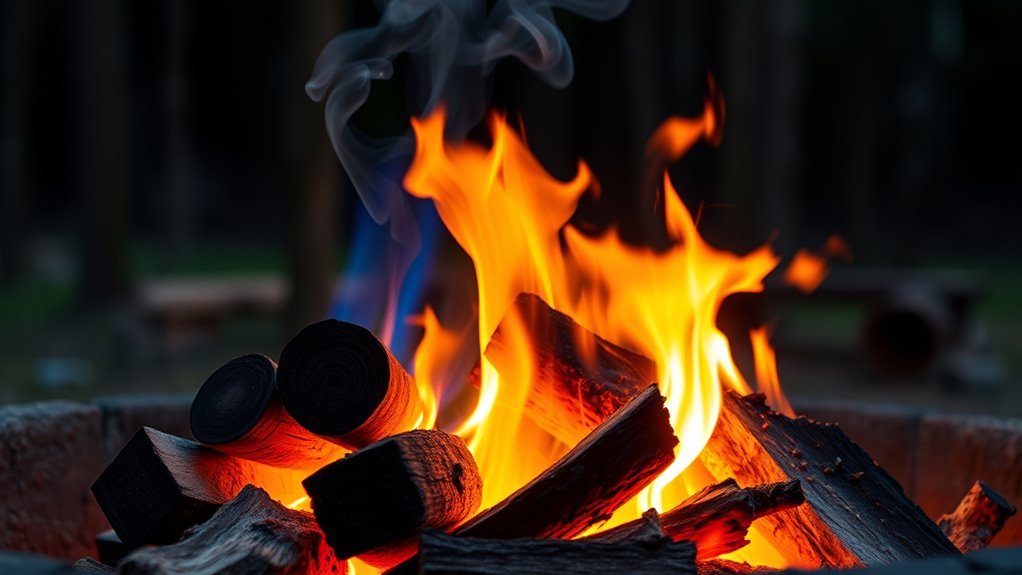
Although wood fires vary in intensity, you can expect their combustion zones to reach temperatures between 1,100 and 1,500°F (593 to 815°C). Whether you’re using a Wood Stove or Fireplace, wood burning creates a hot environment, especially in a Wood Fireplace designed to burn hot and efficiently.
In your living room, overly hot fires can sometimes occur if moisture content in the wood is too low, causing the fire to burn hotter than expected. Flames near the fire’s core can exceed 2,000°F, with the hottest parts reaching up to 2,300°F.
If you’re starting a new account on a forum about wood fires, you’ll find that fire temperatures vary but knowing these maximums helps you manage your wood fire safely and effectively. This text was generated by AI to assist your understanding.
Factors Influencing Fire Temperature
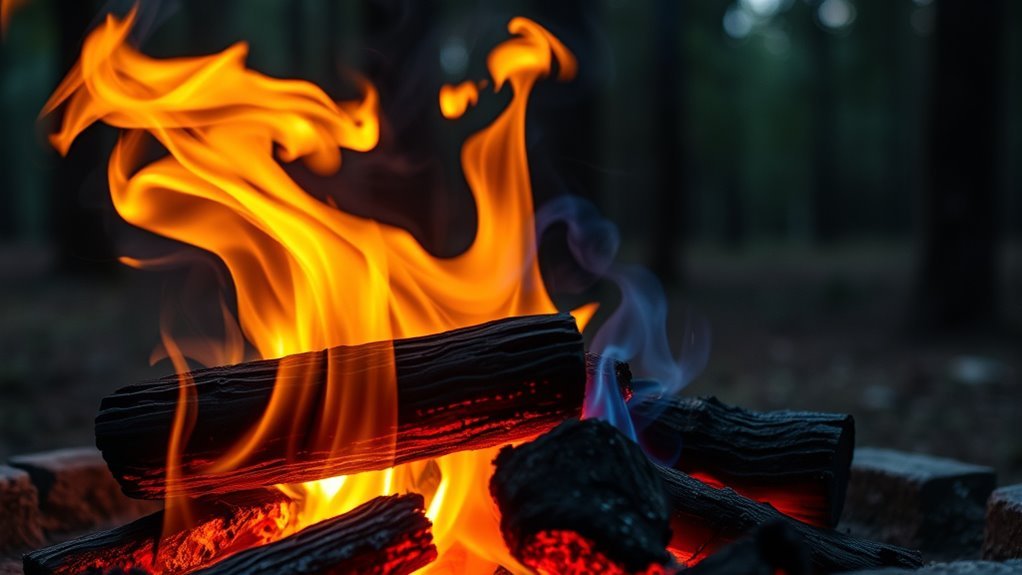
To get the hottest fire, you need to contemplate the type of wood and how dry it is, since dry hardwoods burn hotter. You’ll also want to manage airflow carefully because oxygen fuels the fire’s heat.
Finally, good ventilation helps maintain efficient combustion, pushing temperatures higher. It’s all about giving the fire what it needs to really roar.
Wood Type Impact
How much does the type of wood you choose affect your fire’s temperature? Quite a bit. Hardwoods like black locust, hickory, oak, and beech produce higher BTU outputs, resulting in hotter fires that can reach up to 850°F in well-managed conditions.
These denser woods also burn longer and more steadily. On the other hand, softwoods such as pine and spruce burn faster and can hit temperatures around 700–800°F but tend to generate more smoke and creosote due to their resin content.
The wood’s density and resin levels influence flame temperature, with denser, resin-rich species producing more intense heat. So, picking the right wood type is vital if you want a hotter, cleaner-burning fire that suits your needs perfectly.
Moisture Content Effects
The type of wood you choose plays a big role in fire temperature, but moisture content can make an even bigger difference. When wood contains more than 20% moisture, it lowers combustion efficiency and reduces flame temperature.
Wet wood absorbs heat to evaporate water, so the fire struggles to reach its peak heat. On the other hand, well-seasoned wood below 20% moisture burns hotter, often reaching up to 850°F.
Using properly dried firewood helps you maintain a steady, high heat output with less smoke.
| Moisture Content | Effect on Fire |
|---|---|
| Above 20% | Lowers temperature, more smoke |
| Below 20% | High temperature, efficient |
| Wet wood | Absorbs heat, reduces flames |
| Dry wood | Burns hotter, consistent heat |
| Properly dried | Best for max temperature |
Airflow and Ventilation
Although wood type and moisture content markedly affect fire temperature, airflow and ventilation play a crucial role in controlling how hot your fire can get. Increasing airflow supplies more oxygen, boosting combustion and producing hotter flames.
Proper ventilation removes combustion gases, allowing fresh air to sustain intense burning and helping your fire reach temperatures up to about 1,100°C (2,012°F) in ideal conditions. However, too much airflow can cause overheating, risking damage to your stove or chimney.
To avoid this, you can modulate airflow using dampers or vents, giving you control over the fire’s intensity and ensuring safety. By managing airflow carefully, you balance maximum heat output with protection for your equipment and home.
Differences Between Wood Types and Heat Output
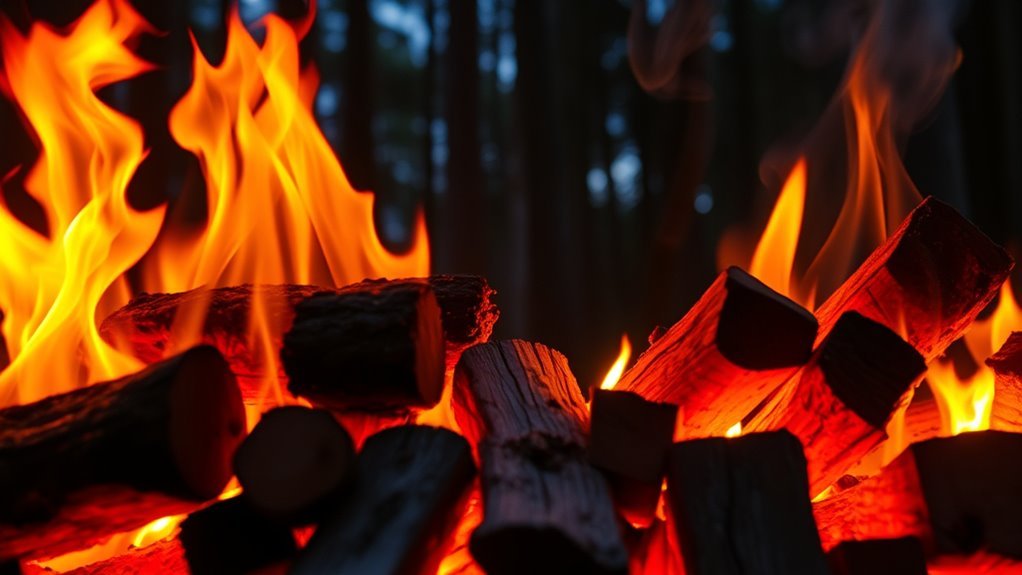
Because different types of wood burn at varying temperatures and rates, choosing the right wood can considerably affect your fire’s heat output. Hardwoods like oak and hickory typically reach between 1,100°F and 1,500°F during combustion and provide longer-lasting heat.
In contrast, softwoods such as pine and spruce ignite quickly, with flame temperatures exceeding 1,300°F but burn out faster. If you want maximum heat, black locust is a top choice, producing around 26 million BTUs per cord.
Keep in mind that well-seasoned hardwoods with moisture content around 15-20% sustain higher temperatures more efficiently. By selecting the right wood type, you can optimize your fire’s heat output and combustion efficiency, ensuring a warmer and longer-lasting fire experience.
Ideal Moisture Content for Optimal Burning
You want your firewood’s moisture content to stay below 20% for the best burn. When wood is too wet, it smolders and produces more smoke, lowering the fire’s temperature.
Using a moisture meter helps you check that your wood is properly seasoned and ready to burn efficiently. It’s a handy tool that takes the guesswork out of firewood preparation.
Moisture Levels Explained
When you want your wood fire to burn hot and clean, keeping the moisture content below 20% is essential. Seasoned wood usually falls between 15% and 20% moisture, which ensures efficient burning and less smoke.
Wood above 25% moisture creates more smoke, less heat, and dangerous creosote buildup. Freshly cut wood often exceeds 40%, making it inefficient and polluting. Using a moisture meter helps you confirm your wood’s dryness before burning.
| Moisture Level | Effects on Fire |
|---|---|
| Below 20% | Hot, clean burn |
| 20%-25% | Moderate heat, some smoke |
| Above 25% | Low heat, heavy smoke, creosote |
Aim for seasoned, dry wood to maximize heat and safety. It really makes a difference when you’re trying to keep things cozy and safe.
Impact on Combustion
Although moisture in wood can seem harmless, it considerably impacts how your fire burns. When you burn wood with moisture content above 20%, like green or unseasoned wood, your fire burns cooler, produces more smoke, and won’t reach high temperatures.
That’s because excess moisture absorbs heat during combustion, preventing the fire from hitting its maximum potential. To get the hottest fire, aim for firewood with moisture below 20%.
Well-seasoned hardwoods like oak or hickory can reach temperatures of 1,100°F or more during a strong burn. Properly dried wood even pushes temperatures beyond 1,200°F right in the combustion zone.
Heat Distribution in Wood Stoves and Fireplaces
Since heat distribution varies widely in wood stoves and fireplaces, understanding how materials and design affect temperature can help you use your fire more safely and efficiently.
Wood stoves usually have surface temperatures between 110°F and 700°F, with hotspots hotter than the stove’s sides or rear panels, which stay cooler.
Materials like cast iron and steel radiate heat more effectively, while airflow and combustion efficiency ensure even heat spread.
| Location | Typical Surface Temp (°F) | Heat Radiation Efficiency |
|---|---|---|
| Combustion Zone | Up to 1,800 | High |
| Stove Surface | 110 – 700 | Medium |
| Rear/Side Panels | 110 – 131 | Low |
| Cast Iron | Varies | High |
| Steel | Varies | High |
Knowing this helps you manage warmth and safety better. It’s all about getting the most heat without any risks.
Safety Thresholds and Ignition Points of Wood and Surroundings
Understanding safety thresholds and ignition points is essential to preventing accidental fires around your wood stove or fireplace. You need to know that wood ignites at about 500°F (260°C), so keep materials well below this temperature.
Knowing wood ignites near 500°F helps keep your stove area fire-safe and materials cool.
Walls and furniture usually tolerate up to 130°F (54°C) without risk, but this varies by material and exposure time. Remember, heat transfer depends on heat flux, surface area, and time—not just temperature.
Here’s what you should keep in mind:
- Wood ignition point: ~500°F (260°C)
- Safe stove surface temps: around 110–131°F at corners
- Surrounding surfaces typically safe under 130°F
Prolonged heat exposure increases fire risk, so don’t let surfaces stay hot for too long.
Also, external factors like sunlight can raise nearby surface temps temporarily. So stay vigilant to avoid accidental ignition.
Effects of Overfiring and How to Prevent It
Keeping temperatures within safe limits prevents accidental fires, but pushing your wood stove beyond these limits leads to overfiring. When your stove exceeds safe temperatures, it risks warping, cracking, and permanent damage to its components and chimney.
Overfiring often happens if you overload the firebox, use engineered materials, or operate the stove improperly. To avoid these hazards, monitor flue and stove surface temperatures regularly with a thermometer.
Follow the manufacturer’s guidelines carefully and never exceed recommended fuel amounts. Staying within these limits keeps your stove functioning safely and efficiently, preventing costly repairs and dangerous safety issues.
Understanding Heat Flux and Its Role in Fire Safety
While you might focus on stove temperature, heat flux plays a crucial role in fire safety by measuring how quickly heat transfers from your wood fire to nearby surfaces. This rate of heat transfer can substantially impact the risk of ignition in surrounding materials.
You should keep in mind:
- Heat flux is measured in watts per square meter, indicating heat transfer speed.
- Larger fire surface areas emit more total heat, raising ignition potential.
Even moderate heat flux over time can ignite combustible materials. Wood generally ignites near 500°F, but heat flux determines how fast that happens.
Proper clearance and insulation help reduce heat flux and fire risk. So, it’s not just the temperature that matters, but how quickly the heat moves to other things around your stove.
Best Practices for Maintaining Safe Wood Fire Temperatures
Because maintaining the right temperature in your wood stove directly affects safety and efficiency, you should monitor your fire closely. Use a stove thermometer to keep surface temperatures between 500°F and 900°F, which ensures safe, effective, and efficient burning.
Avoid overfiring your stove, as temperatures above 1,300°F can damage it and create safety hazards. Burning properly seasoned hardwoods helps you reach higher, more consistent temperatures, typically between 600°F and 1,100°F. This optimizes combustion and reduces creosote buildup.
Control airflow carefully to manage the burn stage and temperature. By keeping your fire below 1,100°F, you maintain combustion efficiency while protecting your stove and home. Regularly checking and adjusting your fire helps you enjoy warmth safely.
Frequently Asked Questions
What Kills More, Fire or Smoke?
Smoke kills more than fire does. You might think flames are the biggest threat, but it’s actually the toxic gases in smoke that often incapacitate or suffocate you before the fire even reaches you.
Stay alert!
What Is the 3-2-10 Rule for Wood Stove Chimneys?
Think of your chimney as a guardian; the 3-2-10 rule tells you to clean it every 3 months in heavy use, 2 in moderate, and 10 in light use.
This keeps your fire safe and efficient.
What Burns at 3000 Degrees?
You’ll find materials like steel and ceramics burning or melting around 3,000°F, but achieving that heat requires industrial furnaces or plasma torches.
Regular wood fires just can’t reach those extreme temperatures on their own.
Which Type of Firewood Burns the Longest?
If you’re aiming to roast marshmallows for a century, black locust’s your go-to—it burns over 10 hours! Oak’s also impressive, lasting up to 8 hours.
You’ll want seasoned hardwoods to keep that fire alive longer. They really do make all the difference when you’re looking for a long-lasting burn.
Conclusion
You might not realize it, but a wood fire can soar to temperatures hotter than a pizza oven—sometimes reaching up to 1,100°F or more!
Knowing how factors like wood type and moisture affect heat helps you keep that fire roaring safely. Different woods burn at different temperatures, and damp wood can make your fire less efficient and smokier.
Remember, overfiring isn’t just a risk; it’s a warning sign.
So, treat your fire with respect and care—because a well-tended flame warms your home, but an out-of-control blaze can burn it down. Understanding how hot a wood fire can get is key to safely enjoying its warmth. Keep your fire controlled, use dry hardwood, and you’ll have a cozy, safe heat source all winter long.