How You Can Safely Burn Treated Wood Step by Step
To safely burn treated wood off cuts, first identify them by checking for greenish or brownish tints, chemical smells, or labels. These signs help you know exactly what you’re dealing with before you start burning.
Next, prepare a well-ventilated outdoor area away from anything flammable. It’s super important to wear protective gear like masks and gloves to keep yourself safe.
Burn small amounts at a time and keep the fire hot to reduce smoke. If you notice any strong or chemical odors, stop immediately and ventilate the area.
For safer options and detailed steps, there’s more important guidance to follow.
Key Takeaways
- Identify treated wood by checking for a greenish tint, chemical smells, or labels. Make sure the wood is dry and clean before you think about burning it.
- Always burn treated wood outdoors. Pick a well-ventilated area that’s far away from anything flammable. This helps cut down on exposure to toxic fumes.
- Keep the fire hot and controlled. Watch the smoke carefully—if it starts to look dark or smells strongly of chemicals, it’s time to stop burning.
- If you notice any hazardous fumes, put the fire out right away. Open windows or doors to ventilate the area. Also, wear protective gear like masks and gloves when handling the wood.
- After the fire is completely out and the ashes have cooled, dispose of them safely. Any leftover treated wood should go to authorized hazardous waste facilities, following your local rules.
Why Burning Treated Wood Can Be Risky
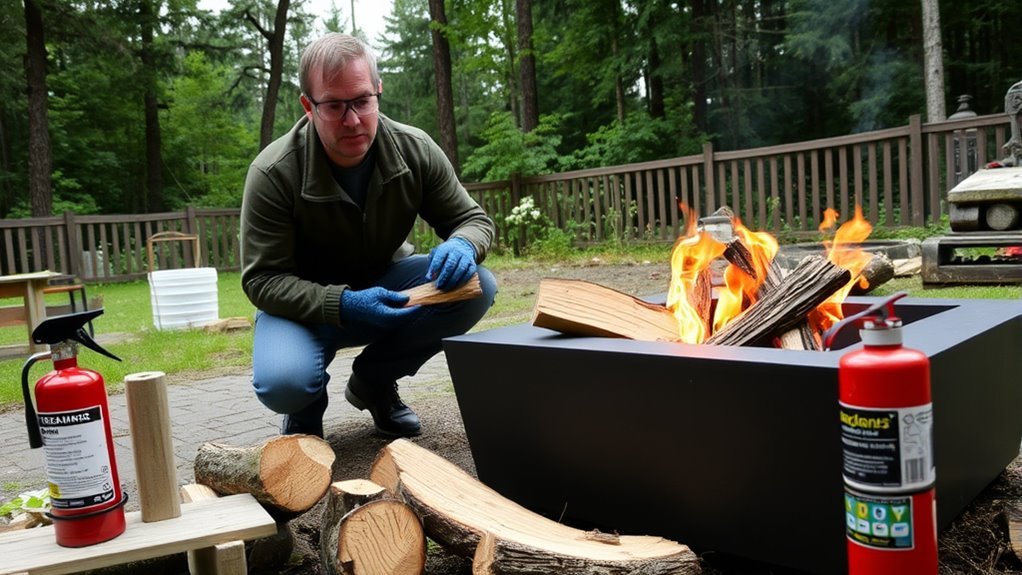
Although burning wood might seem like a simple way to dispose of scraps, burning treated wood poses serious risks you need to take into account. Treated wood contains toxic chemicals like arsenic, copper, and chromium, which release harmful fumes when burned.
These fumes can cause significant health risks, especially respiratory problems if you inhale them. Also, the combustion often doesn’t fully break down these chemicals, leaving dangerous toxins in the smoke and ash.
This ash can contaminate the soil and water around you, creating further environmental hazards. Because of these dangers, many areas have laws prohibiting the burning of treated wood.
When you consider the toxic chemicals and health risks, it’s clear that burning treated wood isn’t a safe or responsible way to get rid of it. So, it’s best to find safer ways to dispose of treated wood.
How To Identify Treated Wood Off Cuts Safely

Before you handle or dispose of wood off cuts, you need to identify whether they’re treated to avoid health and environmental risks. Treated wood often has a greenish or brownish tint and may show chemical preservative stains on the surface.
Look closely for labels, stamps, or markings that indicate pressure treatment or chemical preservation—these often say “Treated” or include specific codes. If the wood smells chemical or has green or black residue, it’s likely treated and should be handled carefully.
When you’re unsure, check manufacturer labels or local regulations before burning treated wood. Proper identification prevents exposure to harmful substances and ensures you follow safe practices.
Getting Your Burn Site Ready For Treated Wood

When preparing to burn treated wood, you’ll want to pick a well-ventilated outdoor spot that’s clear of buildings, trees, and anything flammable. Start by clearing the area of debris, leaves, and vegetation to reduce fire risk.
Make sure the ground beneath is stable and fire-resistant—bare soil or a fire pit works best to contain the burn safely. Before you begin, check local regulations and fire bans to confirm that burning treated wood is permitted in your area.
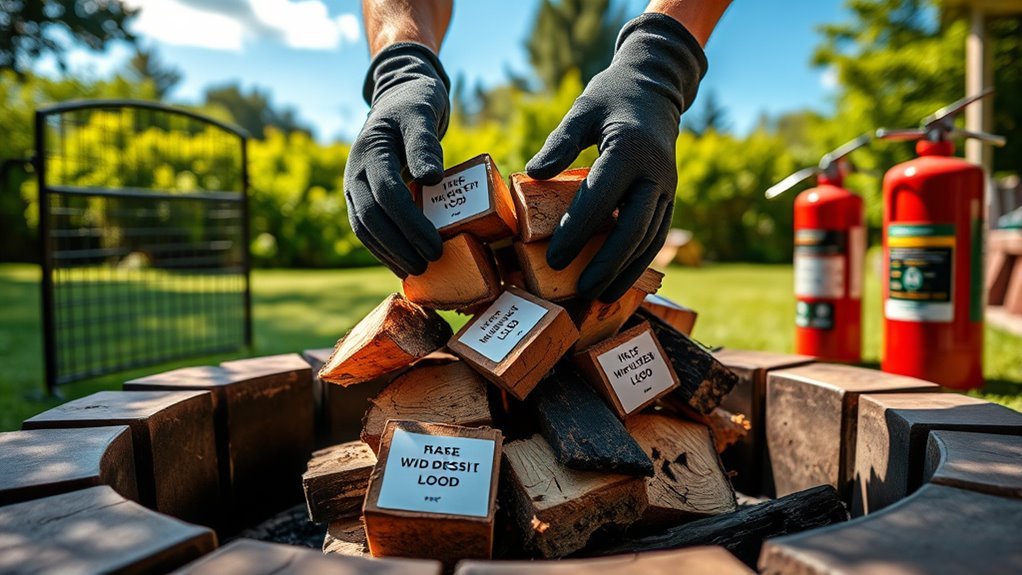
Finally, have firefighting equipment like a hose or fire extinguisher on hand and ready to use in case the fire spreads or gets out of control. Taking these steps guarantees your burn site is safe and compliant.
Protective Gear To Wear When Burning Treated Wood
Since burning treated wood releases harmful fumes and particles, you need to wear protective gear to shield yourself from potential health risks. Always use a properly fitted respirator or mask rated for particulate matter to avoid inhaling toxins.
Protect your skin with chemical-resistant gloves and shield your eyes with safety goggles. Operate in a well-ventilated outdoor area to minimize exposure.
After burning, dispose of or donate your protective gear properly to prevent chemical contamination. Here’s a quick guide to essential gear:
| Protective Gear | Purpose | Tips |
|---|---|---|
| Respirator/Mask | Blocks harmful fumes | Ensure correct fit |
| Gloves | Protects skin from chemicals | Use chemical-resistant type |
| Safety Goggles | Prevents eye irritation | Wear snugly |
| Ventilation | Reduces inhalation risks | Burn outdoors |
Safe Steps To Burn Treated Wood Off Cuts
Before burning treated wood off cuts, make sure they’re dry and free from dirt or paint to reduce harmful emissions. Always burn them outdoors in a well-ventilated area, using a designated fire pit or stove.
Managing smoke carefully helps protect you and the environment from toxic fumes. It’s really important to keep safety in mind whenever you’re dealing with treated wood like this.
Preparing Wood Off Cuts
Although burning treated wood requires caution, you can safely prepare wood off cuts by making sure they’re dry and free of excessive dirt or debris. First, check if the wood is chemically treated so you know what hazards you might be dealing with.
Next, cut the off cuts into smaller, manageable pieces to help them burn more efficiently. Try not to burn large amounts at once since that can release more toxins. Always set up your fire outdoors in a well-ventilated space to stay safe.
| Step | Action |
|---|---|
| 1. Inspect | Confirm off cuts are dry and clean |
| 2. Identify | Check for chemical treatment |
| 3. Cut | Trim wood into smaller pieces |
| 4. Limit Quantity | Burn small amounts at a time |
Following these steps gets your wood ready for burning safely.
Managing Smoke Emissions
When you burn treated wood off cuts, you need to manage smoke emissions carefully to protect your health and the environment. Proper smoke control minimizes toxic fumes and prevents pollution.
Here’s what you should do:
Burn the wood in a well-ventilated area to disperse smoke and avoid buildup. Keep the fire hot to make sure the wood burns completely, which helps reduce harmful chemicals from being released.
Use a certified stove or fireplace with emissions control. And please, never add plastics or household waste — they crank up toxic smoke big time.
Always keep an eye on your fire. If you see a lot of smoke or smell strong fumes, stop burning right away. Taking these precautions helps you burn treated wood safely and keeps risks low for you and the environment.
Monitoring Smoke And Fumes While Burning
As you burn treated wood, watch the smoke closely for unusual colors like gray or black that signal harmful chemicals. Always burn in a well-ventilated area to keep fumes from building up around you.
Make sure fresh air flows freely to protect yourself from inhaling dangerous fumes. It’s better to be safe than sorry when dealing with smoke and chemicals. Keep an eye on the air and give yourself plenty of space to breathe easy.
Identifying Hazardous Smoke
How can you tell if the smoke from burning treated wood is hazardous? You need to watch closely for signs that indicate dangerous fumes. Here’s what to look for:
Notice the smoke color—dark, thick, or unusual hues often signal harmful chemicals like arsenic or chromium. Pay attention to the smell; chemical-like or acrid odors mean you should use a smoke mask or respiratory protection immediately.
Monitor smoke clarity; clear smoke is less risky, so avoid prolonged exposure to heavy, dense smoke. Always keep a fire extinguisher or water nearby to control flare-ups that might increase hazardous emissions.
Ventilation And Airflow Control
Why is controlling ventilation and airflow essential when burning treated wood? Proper ventilation disperses harmful fumes and prevents toxic gas buildup, keeping you safe. Always burn treated wood in a well-ventilated area with open windows or outdoors.
Avoid enclosed spaces to reduce inhaling dangerous chemicals. Monitor smoke closely—thick, dark smoke signals incomplete combustion or toxic releases.
Use a clean, unobstructed chimney or flue to guarantee efficient airflow and exhaust. This helps prevent smoke from lingering and minimizes health risks.
Installing a carbon monoxide detector nearby can alert you to invisible dangers, adding an extra safety layer. By managing ventilation and airflow carefully, you reduce exposure to hazardous fumes and promote safer burning conditions for yourself and those around you.
How To Respond To Strong Or Toxic Smells
If you detect a strong or chemical smell while burning treated wood, you should stop immediately and ventilate the area to avoid inhaling harmful fumes. These odors often signal the release of dangerous chemicals like arsenic or creosote.
To protect yourself, follow these steps:
To protect yourself, stop burning treated wood and ventilate the area immediately to avoid harmful fumes.
- Cease burning the wood right away and open windows or doors to increase airflow.
- Use a mask or respirator designed for chemical fumes if you must handle or move the wood.
- Avoid burning treated wood indoors or in enclosed spaces to prevent fume buildup.
Alternatives To Burning Treated Wood
Instead of burning treated wood, you can choose safer disposal methods like sending it to authorized facilities. This way, you’re making sure it’s handled properly and safely.
You might also repurpose wood off cuts for DIY projects or garden mulch to reduce waste. It’s a great way to get creative and give the wood a second life.
Considering these options helps protect the environment and avoid harmful emissions. So, why not give them a try? It’s better for you and the planet!
Safe Disposal Methods
How can you dispose of treated wood safely without burning it? You have several responsible options that protect the environment and comply with regulations.
First, you can take the wood to designated hazardous waste facilities where it’s handled properly to prevent contamination. Second, chipping or grinding treated wood into mulch or compost is a safer alternative, as long as it’s managed carefully to avoid chemical leaching.
Third, avoid dumping treated wood in landfills since chemical residues can seep into soil and groundwater. Always follow local guidelines to ensure you’re disposing of treated wood correctly.
These steps help minimize environmental risks and keep your community safe while managing treated wood waste responsibly. It’s all about being careful and doing the right thing!
Repurposing Wood Off Cuts
When you decide against burning treated wood, repurposing wood off cuts offers practical alternatives that reduce waste and environmental harm. You can transform untreated wood into mulch or compost, or safely use it as firewood after confirming its status.
Treated wood off cuts work well for DIY projects like garden beds or artwork, avoiding combustion altogether. Donating or sharing unused wood with community projects or local builders also minimizes waste.
If reuse isn’t an option, take treated wood to hazardous waste facilities for proper disposal.
| Repurposing Idea | Description |
|---|---|
| Mulch/Compost | Use untreated wood for eco-friendly gardening |
| Firewood | Burn untreated wood safely after verification |
| DIY Projects | Create garden beds or artwork from treated wood |
| Donation | Share with community or local builders |
| Hazardous Disposal | Drop off treated wood at waste facilities |
Environmental Impact Considerations
Why should you avoid burning treated wood? Burning it releases toxic chemicals like arsenic, chromium, and copper. These substances harm both the environment and your health.
Instead of burning, consider safer alternatives to manage treated wood responsibly. Here are three better options:
- Recycle or dispose of treated wood at designated hazardous waste facilities. This helps prevent pollutant release.
- Avoid composting or mulching treated wood. Harmful substances can leach into soil and water if you do.
- Use untreated or naturally rot-resistant wood for your projects. This way, you minimize environmental impact and toxic fumes when disposing.
Safe Disposal Of Treated Wood Ashes
Although it may seem harmless, disposing of treated wood ashes requires careful attention to local hazardous waste regulations because they can contain harmful chemicals.
Before handling or disposing of ashes, make sure they’re completely cool to avoid accidental fires or chemical release. Store ashes temporarily in a metal container with a tight-fitting lid to prevent fumes from escaping.
Never dump ashes into water sources or drainage systems since chemicals can leach into the environment. If you want to mix ashes with soil or compost, confirm it’s safe for your specific treated wood type to avoid contaminating plant life.
Following these steps helps you dispose of treated wood ashes safely and responsibly, protecting both yourself and the environment.
Practical Tips For Handling Treated Wood Off Cuts
Handling treated wood off cuts requires care to protect yourself from harmful chemicals and dust. Always wear protective gear like gloves and a mask to prevent skin contact and inhalation.
Protect yourself from chemicals and dust when handling treated wood by wearing gloves and a mask.
To manage off cuts safely, follow these practical tips:
- Cut or break the wood into smaller pieces for more complete and controlled burning.
- Avoid burning treated wood in open fires or indoor fireplaces to reduce exposure to toxic fumes.
- Collect ashes carefully since they may contain residual chemicals, and dispose of them according to local regulations.
Remember to check your area’s guidelines before burning treated wood, as restrictions often apply. Taking these precautions helps you handle off cuts responsibly and minimizes health and environmental risks.
Frequently Asked Questions
Is It Safe to Burn Pressure Treated Lumber?
No, you shouldn’t burn pressure-treated lumber. It releases toxic chemicals that are harmful to your health and the environment.
Instead, you should dispose of it properly by following local regulations. This helps you avoid dangerous fumes and contamination risks.
What Is the Japanese Method of Burning Wood to Preserve Called?
Imagine your wood getting a spa day with fire—that’s the Japanese “Shōsō-yaki.”
You slowly burn it in a kiln, locking in strength and beauty while keeping pests away.
It’s wood’s fiery makeover, Japanese style!
How to Burn Fresh Wood?
You shouldn’t burn fresh wood directly because it’s wet and smoky. Instead, let it dry thoroughly for several months.
Split it into smaller pieces, and use a proper stove or firepit. This way, you guarantee safer, cleaner burning.
What’s the Worst Firewood to Burn?
You wouldn’t want to burn treated wood—it’s like lighting a rotary phone on fire, releasing toxic fumes.
Also, softwoods like pine create creosote buildup, increasing fire risk.
Stick to dry, seasoned hardwoods for safer, cleaner fires.
Conclusion
Burning treated wood requires caution, preparation, and protection. You must identify the wood, prepare your site, and wear the right gear.
It’s important to follow safe burning steps, respond quickly to toxic smells, and consider alternatives when possible. Always dispose of ashes safely and handle off cuts thoughtfully.
By respecting these steps, you protect yourself, your community, and the environment. Burning treated wood safely means thinking ahead and acting responsibly.
So, burn smart, burn safe, and burn responsibly every time. Remember, following these safety tips helps minimize risks and keeps the environment cleaner. Taking care when burning treated wood ensures you stay safe while protecting those around you, making every burn a safer one.