How Does Wood Glue Work on Plastic Step by Step
You can bond plastic to wood with wood glue by first cleaning and lightly sanding the plastic to create grip. This step is important because plastic surfaces are often smooth and slippery, which makes it hard for glue to stick.
Once the plastic is prepped, apply a thin, even layer of wood glue to both the plastic and wood surfaces.
Press them firmly together to ensure a good bond. Then, use clamps to hold steady pressure while the glue cures.
Ideally, keep the glued pieces in a warm environment between 65°F to 85°F for up to 24 hours.
Remember, wood glue works best on certain types of plastics. So, knowing the right prep steps and curing conditions really makes a difference.
If you follow these tips, you’ll have a stronger, longer-lasting bond. Want to know more? There are plenty of details that can help you get it just right!
Key Takeaways
- Clean both plastic and wood surfaces thoroughly with rubbing alcohol to remove oils and dirt before gluing. This step is super important to make sure the glue sticks well.
- Lightly sand or score the plastic surface to create texture for better mechanical adhesion. It helps the glue grip onto the plastic better, so don’t skip it.
- Apply a thin, even layer of wood glue on the prepared plastic surface. You don’t need too much — just enough to cover the area evenly.
- Press and clamp the glued surfaces firmly, maintaining steady pressure during curing for up to 24 hours. Clamping keeps everything in place while the glue does its job.
- Allow the joint to cure at 65°F to 85°F (18°C to 29°C) for optimal bond strength before handling. Patience here really pays off for a strong hold.
Why Wood Glue Doesn’t Stick to Plastic Like It Does to Wood?
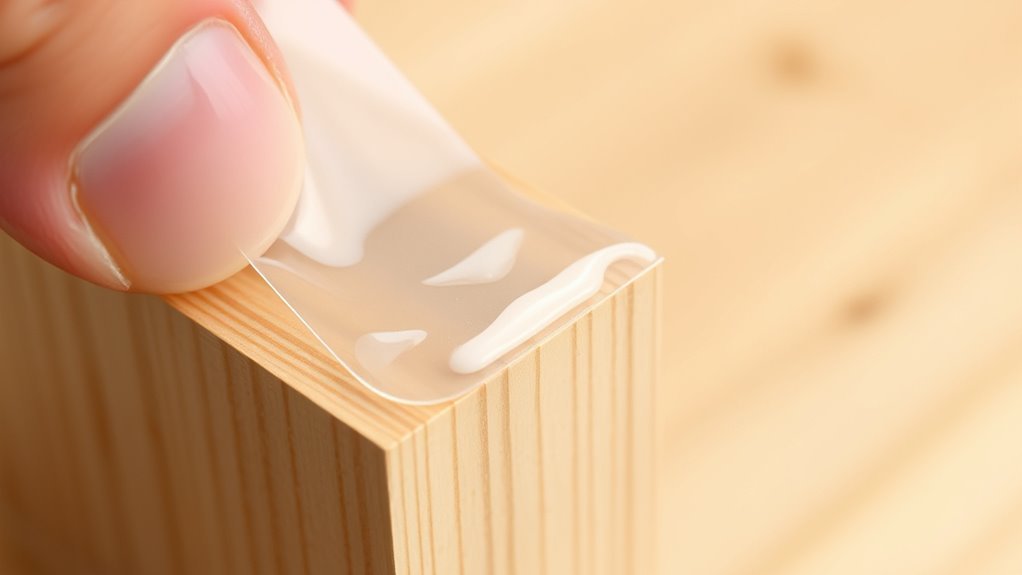
Why doesn’t wood glue stick to plastic the way it does to wood? It’s all about surface energy and the nature of the materials. Wood glue relies on penetrating a porous material, like wood, to create strong mechanical bonds.
Plastic surfaces, however, are smooth and non-porous, which prevents this penetration. Plus, plastics such as polyethylene have low surface energy, making plastic bonding with wood glue ineffective because the glue can’t wet the surface properly.
Wood glue’s chemical compatibility is tailored to bond with cellulose fibers in wood, not the chemically inert, tightly packed polymer chains found in most plastics. Without surface porosity or chemical affinity, wood glue can’t establish the necessary mechanical or chemical bonds, so it simply won’t stick well to plastic.
How to Prepare Plastic and Wood Surfaces for Gluing
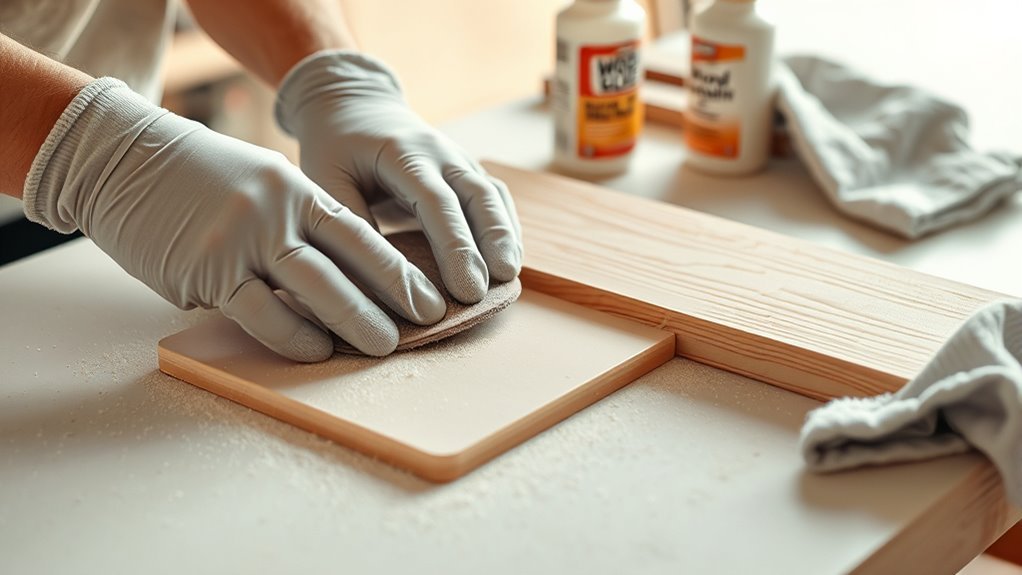
Before you start gluing, make sure to clean both plastic and wood surfaces with rubbing alcohol to remove any oils and dirt.
Then, lightly sand the plastic to create tiny rough spots that help the glue stick better.
Don’t forget to wipe away dust and confirm everything is dry before applying the adhesive.
It’s a simple step, but it really makes a difference in how well your glue holds.
Cleaning And Degreasing
Although wood glue isn’t naturally designed for plastic, preparing the surfaces correctly can make a big difference in how well it sticks. Proper cleaning and degreasing are essential steps in surface preparation to guarantee strong adhesion.
Start by removing all contaminants like oils and dust, which can prevent a solid bond. It’s all about making sure the surfaces are as clean as possible before you even think about gluing.
Follow these key steps for cleaning and degassing:
- Use rubbing alcohol or a suitable solvent for thorough oil removal and degassing. This helps get rid of anything that could mess with the glue sticking properly.
- Ensure both plastic and wood surfaces are completely dry before gluing. You don’t want any moisture interfering with the glue’s grip.
- Wipe away any dust or residue after light sanding to maintain a contaminant-free surface. That way, the glue has a nice, clean area to hold onto.
Surface Roughening Methods
To guarantee wood glue grips well on plastic and wood, you need to roughen the surfaces first. Surface roughening improves adhesion by creating more grip points.
Start by lightly sanding both surfaces with fine-grit sandpaper (150-220 grit) to make microscopic abrasions. Next, score the plastic gently with a sharp blade to break the smooth layer.
Finally, clean the surfaces thoroughly with rubbing alcohol to remove dust and oils. Make sure both surfaces are dry before gluing.
| Method | Purpose | Tips |
|---|---|---|
| Sanding | Creates microscopic roughness | Use fine-grit, avoid deep scratches |
| Scoring | Breaks smooth polymer layer | Use gentle, even strokes |
| Cleaning | Removes contaminants | Use rubbing alcohol, dry well |
Step-by-Step Process to Apply Wood Glue on Plastic
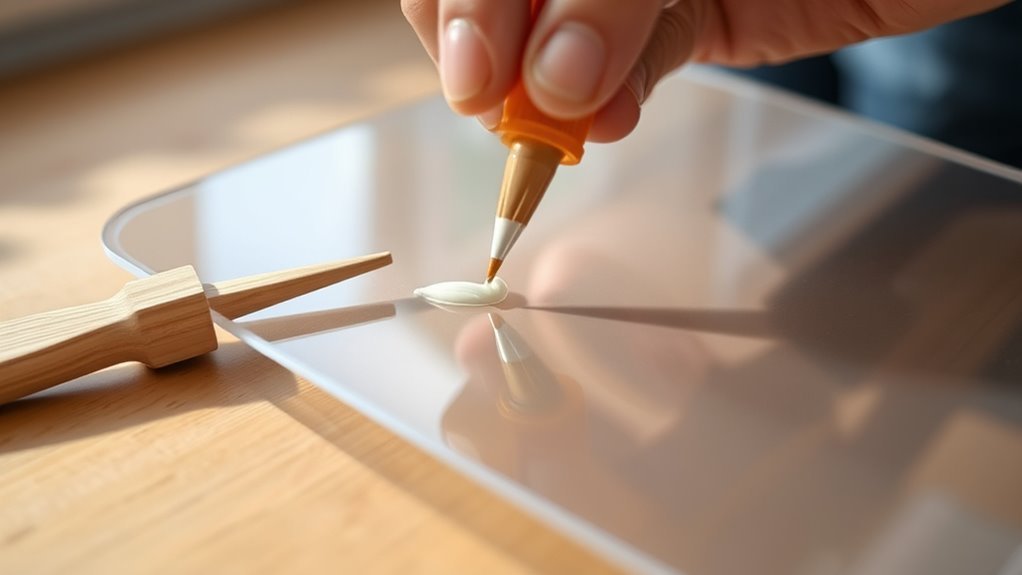
Since wood glue doesn’t naturally bond well with plastic, you’ll need to prepare the surface carefully to improve adhesion. Start by cleaning the plastic thoroughly to remove dust, oil, or residue that can weaken the bond.
Next, lightly sand the plastic surface to create a rough texture, helping the adhesive grip better. Once the surface is ready, apply a thin, even layer of wood glue on the plastic.
Press the surfaces firmly together to guarantee good contact. Remember, proper curing is essential for a strong bond, so keep the parts stable until the glue fully sets.
Here’s a quick checklist:
- Clean the plastic surface thoroughly
- Sand lightly to roughen the surface
- Apply wood glue evenly and press firmly
Following these steps maximizes the adhesive’s effectiveness on plastic.
Clamping and Curing Wood Glue on Plastic Joints
To get the strongest bond, you need to clamp the glued plastic and wood firmly without crushing either material. Keep the joint steady while the glue cures, which can take up to 24 hours for full strength.
Make sure to wipe away any excess glue before clamping to avoid messy residue and weak spots. This helps keep the joint clean and ensures a better hold overall.
Effective Clamping Techniques
Although wood glue forms a strong bond on plastic, you’ll need effective clamping techniques to guarantee the joint cures properly. Proper clamping applies uniform pressure across the joint, maximizing adhesive contact and preventing gaps.
You want clamps tight enough to hold firmly without deforming the plastic or wood. And it’s important to maintain clamp tension throughout the entire curing time to develop full bond strength. To protect surfaces, use protective padding between clamps and your workpieces.
Here’s how to clamp effectively:
- Use clamps that distribute pressure evenly to avoid cracking or warping.
- Apply just enough pressure to secure the joint without causing damage.
- Place protective padding to prevent indentations or marks on delicate surfaces.
Following these steps ensures a strong, clean bond between wood and plastic. Easy, right? Just take your time and clamp carefully!
Optimal Curing Conditions
When you apply wood glue to plastic joints, you should clamp them immediately to assure consistent pressure and proper contact during curing. Clamping ensures the glue bonds effectively by preventing gaps and movement.
Keep the temperature between 65°F to 85°F (18°C to 29°C) and avoid stressing the joint during the curing time. This usually takes 24 to 48 hours, depending on environmental conditions and glue type.
| Factor | Recommendation |
|---|---|
| Clamping Pressure | Consistent, firm pressure |
| Curing Time | 24 to 48 hours |
| Temperature | 65°F to 85°F (18°C to 29°C) |
Mistakes That Weaken Wood-to-Plastic Glue Bonds
If you skip proper surface preparation or choose the wrong adhesive, your wood-to-plastic bond will likely fail. Poor surface prep, like not sanding the plastic or cleaning it wrong, stops the glue from sticking well. Using the wrong adhesive—like standard wood glue—won’t create a strong bond since it’s made for porous materials, not smooth plastics.
Also, rushing the process by not letting the glue cure fully will weaken the bond before it sets properly.
Some common mistakes to watch out for include using wood glue instead of plastic-specific adhesives, failing to sand or roughen the plastic surface, and handling the joint before the glue is completely cured. Avoid these, and you’ll get a much stronger hold.
Testing and Ensuring a Strong Wood-to-Plastic Bond
To guarantee your wood-to-plastic bond holds strong, start by testing the glue on a small plastic scrap before committing to the full project. This initial testing helps you evaluate adhesion and curing time, making sure the glue works well with your materials.
Prioritize thorough surface preparation by cleaning and sanding both wood and plastic to remove contaminants. This step really boosts the bond strength.
Thoroughly clean and sand wood and plastic surfaces to enhance adhesive strength and ensure a lasting bond.
After applying the glue, let it cure fully according to the manufacturer’s instructions—usually about 24 hours. Once it’s cured, gently test the bond by applying light pressure or a bit of movement to confirm it’s secure.
Finally, keep an eye on the bond over time, especially if your project is exposed to moisture or temperature changes. This way, you can ensure lasting adhesion and reliable performance.
When to Choose Specialized Adhesives Instead of Wood Glue?
While wood glue can work well with certain plastics after proper preparation, it often falls short on many types due to their smooth, non-porous surfaces. You should choose specialized adhesives when wood glue won’t provide the bond strength or durability needed.
Consider these key factors:
- Plastic types with low surface energy, like polypropylene or polyethylene, resist wood glue and need specialized adhesives or surface preparation.
- When the project demands a long-lasting bond strength that wood glue can’t guarantee, opting for epoxy or plastic-specific glues is smarter.
- If the surface preparation required for wood glue is impractical, specialized adhesives designed for plastics save time and improve reliability.
Using the right adhesive ensures your plastic joints hold firm under stress and environmental exposure. It’s all about making sure your project lasts.
Frequently Asked Questions
Does Wood Glue Work Well on Plastic?
Wood glue doesn’t work well on plastic because it can’t create a strong bond.
You’ll find it often peels off or fails, so you should use adhesives designed specifically for plastic instead for better results.
It just sticks better when you use the right glue for the material. That way, your project stays together longer and looks cleaner too.
What Plastic Cannot Be Glued?
You might think all plastics can bond, but you can’t glue polyethylene, polypropylene, or other low-energy plastics easily. They resist adhesives.
Will Titebond Wood Glue Stick to Plastic?
Titebond wood glue won’t stick well to plastic because it’s made for porous surfaces like wood. You’ll struggle to get a strong bond unless you prep the plastic heavily or use a glue designed specifically for plastics.
Honestly, if you want something to really hold plastic, it’s better to go with a glue made just for that. Otherwise, you might end up frustrated with weak adhesion.
How Long Does It Take for Glue to Dry on Plastic?
Glue drying time on plastic depends on the type—you’ll see superglue set in seconds, epoxy takes hours, and wood glue might need longer.
Factors like temperature and humidity also affect how fast it dries, so be patient.
Conclusion
Think of wood glue on plastic as a dance between two very different partners—it takes patience and the right moves. By prepping surfaces carefully and following each step, you can coax them into harmony.
But remember, sometimes wood glue just won’t cut it, and you’ll need a specialized adhesive to seal the deal. Keep these tips in your toolbox, and you’ll turn tricky bonds into strong, lasting connections every time.
When working with wood glue on plastic, surface preparation is key. Lightly sanding the plastic helps the glue grip better. Also, make sure both surfaces are clean and dry before you start.
Applying the glue evenly and clamping the pieces can improve the bond strength. However, because wood glue is designed for porous materials, it may not always work well on non-porous plastics.
In conclusion, using wood glue on plastic requires patience, proper surface prep, and the right technique. While wood glue can sometimes create a decent bond, it’s often best to consider plastic-specific adhesives for a reliable, durable hold. Understanding how wood glue works on plastic will help you choose the best method and avoid frustration in your projects.