Can You Burn Wood in a Coal Stove?
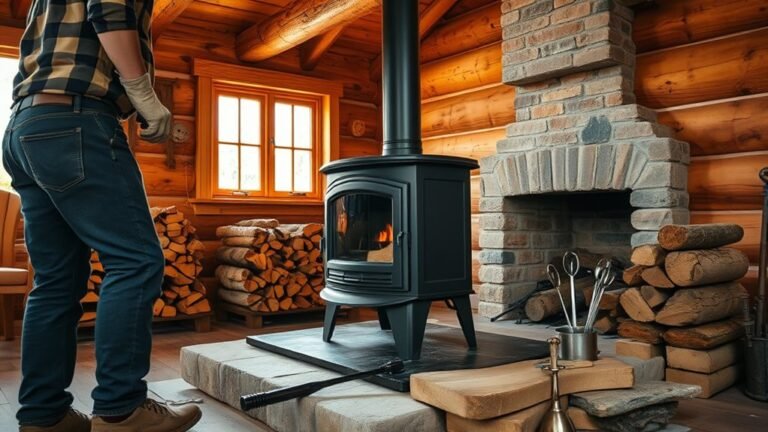
You can burn wood in a coal stove only if it’s designed or approved for multi-fuel use. Not all coal stoves are made to handle wood, so it’s important to check before you try.
Using wood in a coal-only stove can cause warping, cracks, and safety risks like creosote buildup or chimney fires.
You’ll need proper airflow control and well-seasoned wood to avoid damage and inefficiency. Without these, your stove might not burn wood safely or effectively.
If the stove isn’t made for wood, it’s better to avoid it altogether.
Keep exploring to understand how to prepare your stove and fuel for safer use. Knowing the right steps can help you enjoy your stove without any unexpected problems.
Key Takeaways
- Burning wood in a coal stove is generally not recommended without manufacturer approval due to design and safety concerns. Coal stoves aren’t really built for wood, so it’s best to check first.
- These stoves lack key features like secondary burn tubes, which are crucial for safe and efficient wood burning. Without them, things can get tricky.
- Using wood in a coal stove can lead to warping, increased creosote buildup, and even potential chimney fire hazards. That’s definitely something you want to avoid.
- If you do get the go-ahead, make sure to use well-seasoned, dry wood. Also, adjust the airflow carefully to keep the burn efficient and prevent damage.
- Regular maintenance and proper ventilation are super important when burning wood in a coal stove. Always stick to safety guidelines to keep things running smoothly.
What Makes a Coal Stove Different From a Wood Stove?
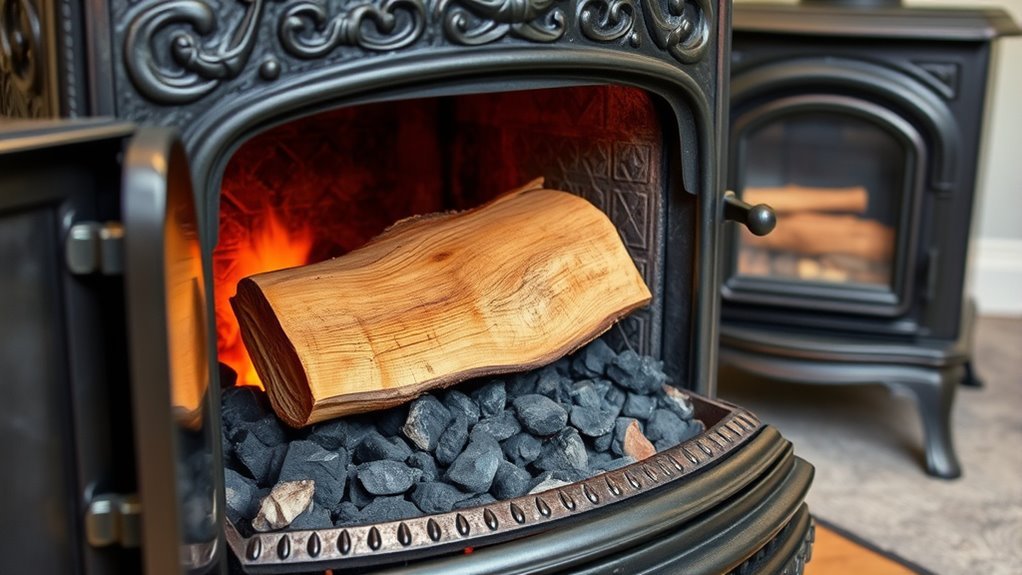
Although coal and wood stoves may look similar, coal stoves are built with specific features like high-temperature grates, reinforced fireboxes, and adjustable airflow controls to handle coal’s intense heat and unique combustion needs.
When you use a coal stove, you’ll notice it often has a riddling mechanism, allowing you to shake out ash efficiently to maintain proper combustion—a feature rarely found in wood stoves.
The firebox in a coal stove is constructed from cast iron or steel, reinforced to withstand not only higher temperatures but also corrosive sulfur compounds from coal. Its internal design focuses on optimizing airflow and ash removal, which is essential for burning coal well.
In contrast, wood stoves prioritize different airflow patterns and don’t usually have these heavy-duty components. So, while they might seem alike, their insides are really built for different kinds of fuel.
Can You Safely Burn Wood in a Coal Stove?
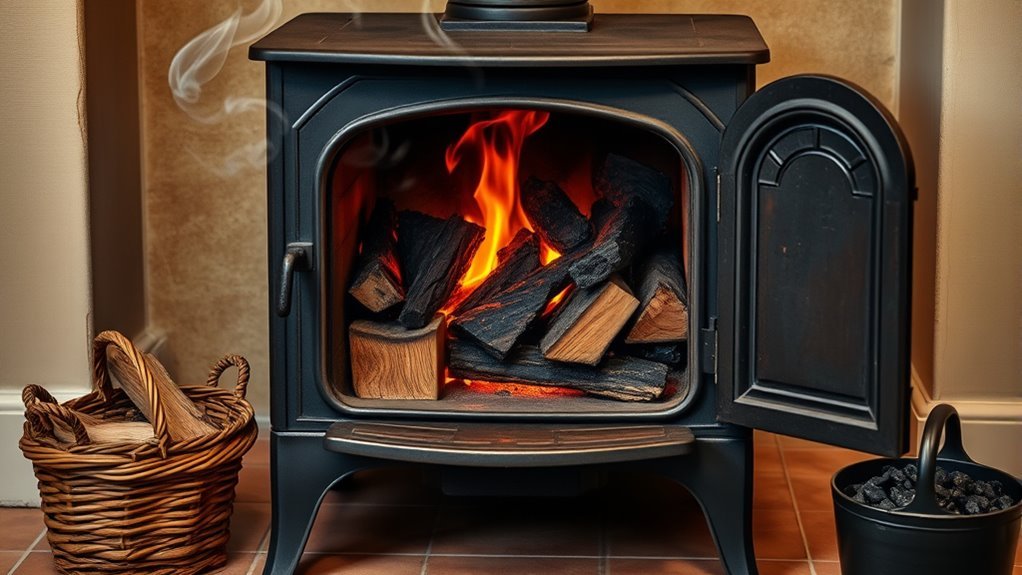
How safe is it to burn wood in a coal stove? Generally, it’s not safe unless your coal stove is specifically designed and rated for both coal and wood. Coal stoves have unique construction features meant to handle coal’s combustion, which differs significantly from wood’s.
Using wood in a stove not rated for it can cause warping, cracking, or other damage, compromising safety.
Using wood in an unrated stove risks warping, cracking, and significant safety hazards.
Before you burn wood in a coal stove, consider these safety points:
- Check if your stove manufacturer explicitly approves burning wood.
- Understand that coal stoves may lack features like secondary burn tubes essential for safe wood combustion.
Recognize that improper use can damage the stove and create hazards.
Always prioritize safety by following manufacturer guidelines when burning wood in coal stoves.
What Risks Come With Burning Wood in a Coal Stove?
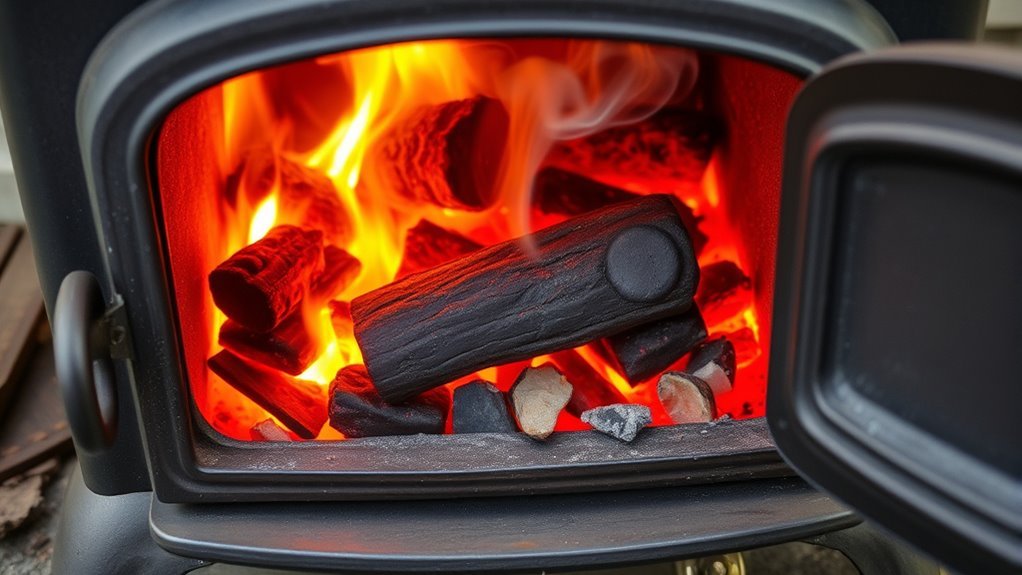
When you burn wood in a coal stove, you risk creating excessive creosote buildup that can ignite chimney fires. Wood’s moisture and volatile compounds can react with sulfur in coal, causing corrosive damage inside the stove.
Plus, the high temperatures may warp or damage the stove’s metal components since coal stoves aren’t designed for wood. This misuse also leads to inefficient combustion, more smoke, and ash.
Many manufacturers warn against burning wood in coal stoves due to these hazards, and doing so might void warranties. So, it’s really best to stick to the fuel your stove was made for.
| Risk | Cause | Result |
|---|---|---|
| Creosote Buildup | Incomplete wood combustion | Increased chimney fire risk |
| Metal Component Damage | High heat & unsuitable design | Warping or structural failure |
| Corrosive Damage | Wood-coal chemical reactions | Stove interior deterioration |
How to Prepare Wood Fuel for a Coal Stove
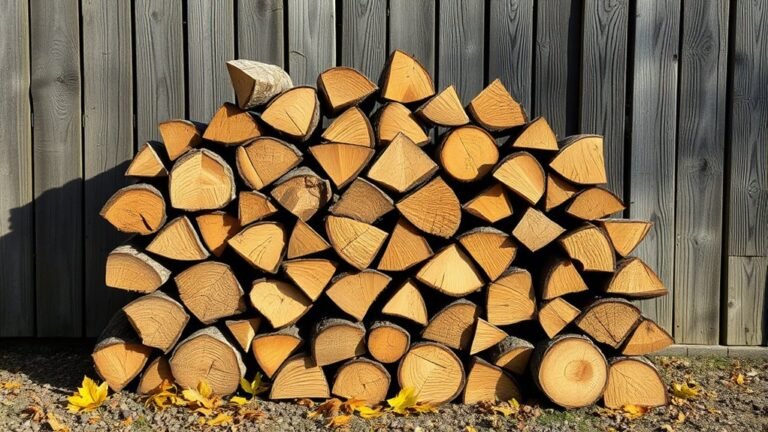
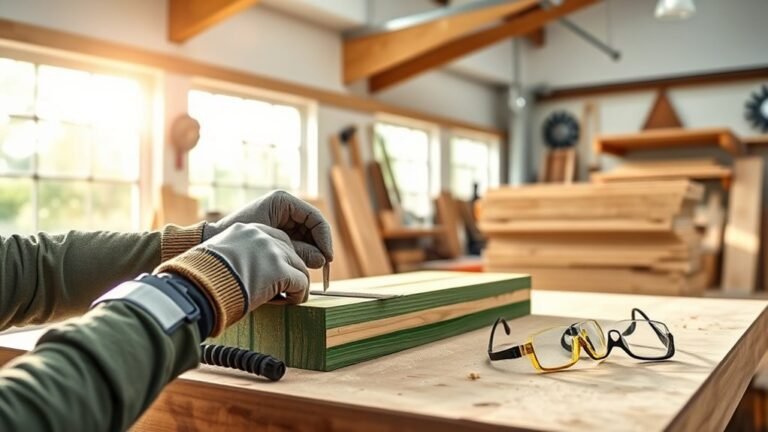
To guarantee your coal stove runs safely and efficiently, you need to prepare wood fuel carefully before burning it. Use seasoned wood with about 20% moisture content. This is usually achieved through a proper drying process that typically takes six months.
Avoid green or wet wood, as it can lead to inefficient burning and creosote buildup. Nobody wants that, right?
Focus on these key steps for preparing wood fuel:
- Split or cut wood into smaller pieces to speed up the drying process and ensure even seasoning.
- Store wood off the ground in a dry, well-ventilated area to prevent moisture absorption and mold.
- Check that your wood reaches the ideal moisture content before use. This helps promote cleaner combustion and protects your stove.
Following these tips will help your coal stove perform better and last longer. It’s worth the effort!
How to Manage Airflow When Burning Wood in a Coal Stove
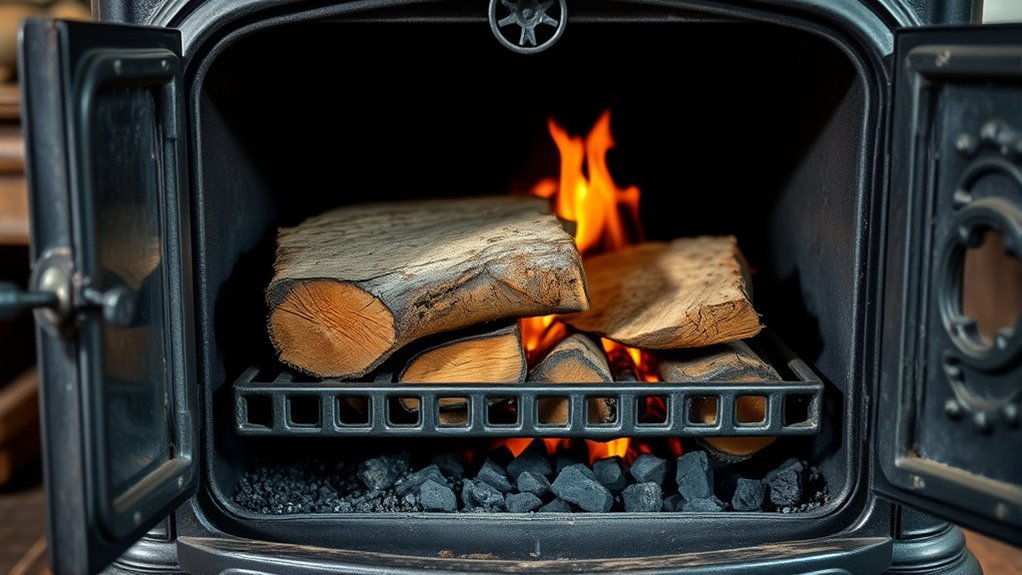
You’ll need to adjust the primary and secondary air vents carefully to keep the fire burning efficiently. Start by opening the vents fully to ignite the wood, then partially close them to maintain a steady draft without letting the fire cool down.
Keep an eye on the airflow because it helps prevent smoke buildup. This way, you’ll guarantee your wood burns cleanly. It’s all about finding that right balance, you know?
Adjusting Air Vents
How do you control the airflow to guarantee a clean and efficient burn of wood in a coal stove? The key lies in adjusting the air vents properly. When you start wood burning, open the primary and secondary air vents wide to help the fire catch quickly.
As the flames grow, gradually close the vents to maintain a steady burn without smothering the fire or creating excess smoke. Keep an eye on the flames and heat output—this will guide you in fine-tuning the vents for ideal combustion.
Remember, improper air vent adjustment can cause inefficient burning or damage to your stove.
- Open vents wide at ignition for better airflow
- Gradually close vents as the fire strengthens
- Monitor flames and heat to adjust vents accordingly
Maintaining Proper Draft
Why does maintaining proper draft matter when burning wood in a coal stove? Proper airflow is vital to guarantee efficient combustion and prevent issues like smoldering or overheating.
You’ll want to keep the bottom vent open to supply oxygen, while closing or partially closing the top vent to control the burn rate. Adjusting these vents carefully helps you manage the fire’s intensity, maintaining a steady burn without letting it flare up or die out.
Too much airflow can cause the fire to burn too fast, producing excess smoke and creosote buildup. Regularly check the flame color and ash to gauge if the draft is right.
How to Maintain Your Stove After Burning Wood
Since burning wood in a coal stove leaves different residues, you should thoroughly clean out ash and inspect the firebricks and grate for any damage. This helps maintain proper airflow and prevents efficiency loss.
Also, check your chimney carefully for creosote or soot buildup, which can be a fire hazard after wood burning.
To keep your stove in top shape, focus on these key tasks:
- Remove ash and residue regularly to maintain airflow and prevent blockages.
- Inspect firebricks and grate for cracks or wear caused by wood’s combustion differences.
- Clean the chimney and flue thoroughly to avoid creosote buildup and ensure safe venting.
Why Coal Stoves Don’t Burn Wood as Well
Although coal stoves can handle intense heat, they’re not built for the way wood burns. The stove design focuses on burning coal, which requires higher temperatures and specialized grates to maintain a red-hot coal bed.
Wood, however, burns at a lower, more variable temperature, which coal stoves can’t efficiently manage. Unlike wood stoves designed for airflow and ash removal suited to wood combustion, coal stoves emphasize features that suit coal’s dense, steady burn.
When you burn wood in a coal stove, the inconsistent heat can warp or damage components not built for it. So, while you might be tempted to use your coal stove for wood, it won’t perform well, and you risk damaging the stove’s structure and efficiency.
Should You Consider a Multi-Fuel Stove Instead?
If you want to use both wood and coal for heating, a multi-fuel stove might be your best option. Unlike coal stoves or woodburning stoves alone, a multi-fuel stove is designed with features like adjustable grates and secondary combustion chambers to handle the demands of burning coal safely.
Keep in mind, these stoves are engineered to burn one fuel type at a time, so switching between wood and coal requires proper care. Before choosing one, consult the manufacturer guidelines to guarantee it has the right components, such as firebricks and ventilation systems.
Consider these key points about multi-fuel stoves:
- Designed to withstand higher temperatures from burning coal
- Equipped for efficient ash management
- Suitable for alternating between wood and coal safely
Frequently Asked Questions
Can You Burn Coal in a Regular Wood Stove?
You shouldn’t burn coal in a regular wood stove because it can damage the stove, cause corrosion, and create unsafe conditions.
Only use coal if your stove is specifically designed or modified for coal burning to stay safe. It’s really important to follow these guidelines to avoid any hazards.
Is It Cheaper to Burn Logs or Coal?
It’s cheaper to burn coal because it provides nearly twice the heat per ton, lasts longer, and requires less frequent refueling.
You’ll save money and effort compared to logs, which need more storage and seasoning time.
Plus, with logs, you’ve got to plan ahead more since they take time to dry out properly. Coal’s just more efficient overall.
Can Coal Be Made From Burning Wood?
You can’t turn wood into coal by burning it; it’s like trying to mold clay into stone with just fire.
Coal forms underground over millions of years, so you’ll need to mine it, not make it yourself.
Can You Burn Wood on Top of Coal?
You shouldn’t burn wood on top of coal because it disrupts airflow, causes uneven burning, and risks damaging your stove.
It also increases creosote buildup, which can lead to chimney problems and reduce your stove’s lifespan.
Basically, it’s not worth the hassle. Keeping wood and coal separate helps your stove work better and last longer.
Conclusion
You might think burning wood in a coal stove is a quick fix, but it’s not that simple. Coal stoves aren’t designed for wood’s moisture and burning patterns, which can cause creosote buildup and damage.
If you want flexibility, a multi-fuel stove is a smarter choice. So, while you can burn wood in a coal stove occasionally, it’s safer and more efficient to stick with the right fuel or upgrade your stove.
In conclusion, burning wood in a coal stove isn’t ideal because it can lead to creosote buildup and potential damage. For the best warmth and safety, use the correct fuel designed for your stove. If you want the option to burn both coal and wood, consider investing in a multi-fuel stove, which handles different fuels more efficiently and safely. This way, you get the flexibility you want without risking your stove’s performance or your home’s safety.