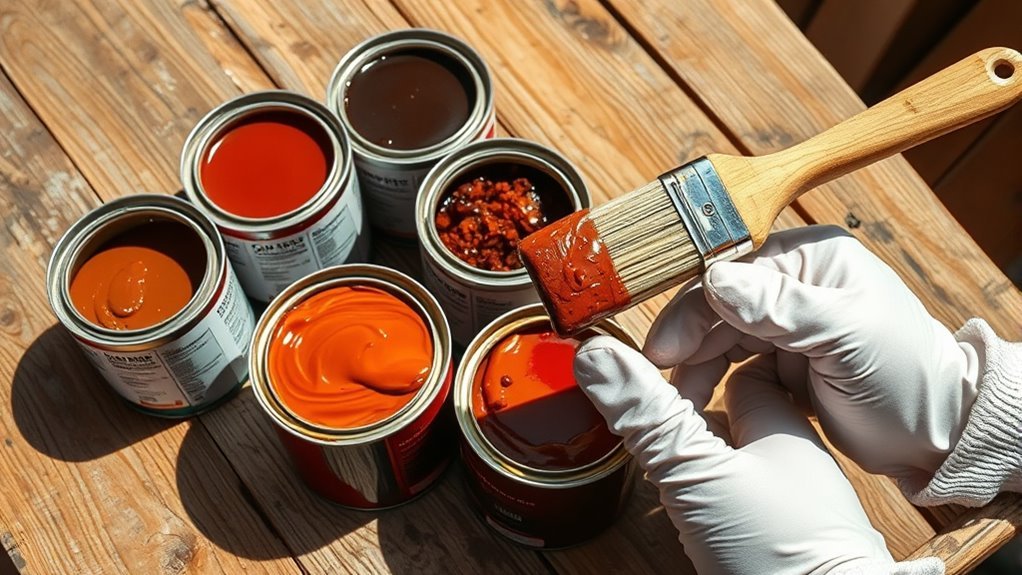
Does Wood Stain Go Bad and How to Tell
Yes, wood stain does go bad, especially after 2-3 years or if stored improperly. Over time, the quality of wood stain can degrade, affecting its color and finish. You might not want to use old stain without checking it first.
You’ll know it’s spoiled if it smells sour or rancid, feels lumpy or rubbery, separates, or shows mold. These signs mean the stain has gone bad and won’t perform well on your wood surfaces.
Using bad stain can cause uneven color, poor drying, and weak finishes.
You can test old stain by stirring it well and applying a small amount to a hidden area. But if it’s foul-smelling or thickened beyond fixing, it’s best to discard it.
Learn how to keep your stain fresh and avoid costly mistakes by storing it properly and checking it before each use.
Key Takeaways
- Wood stain can go bad due to exposure to air, heat, contamination, or improper storage, causing chemical breakdown and spoilage. It’s pretty common if you don’t store it right.
- Signs of bad stain include foul odor, thickening, separation, mold growth, and watery or clumpy consistency. If it looks or smells off, it’s probably time to toss it.
- Expired stain results in uneven application, dull color, poor drying, and weak adhesion on wood surfaces. You don’t want your project looking patchy or peeling later on.
- Test old stain by visual inspection, sniff test, stirring, and applying a small amount to check absorption and drying. This helps you figure out if it’s still good to use.
- Store stain airtight in a cool, dry place away from sunlight and replace if spoilage signs or shelf life of 2-3 years is exceeded. Keeping it sealed and cool really makes a difference.
What Causes Wood Stain to Go Bad
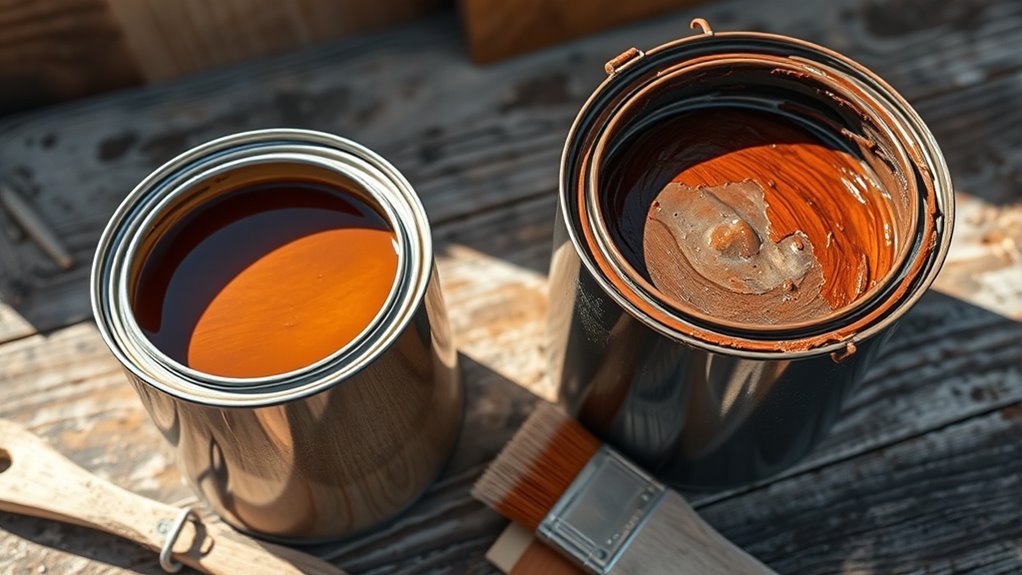
Although wood stain is designed to last, exposure to air, heat, or sunlight can cause it to thicken or separate, making it go bad. When you leave the stain open or store it improperly, its chemical components can degrade, accelerating expiration.
Contamination is another major factor—you want to avoid dirt, dust, or bacteria getting into your stain, as these can lead to mold growth or foul odors. Separation of the stain’s liquids is a clear sign that its formulation has broken down, often due to poor storage conditions like freezing or unsealed containers.
To keep your wood stain usable, always follow the manufacturer’s recommended shelf life and store it tightly sealed in a cool, dry place. It really helps to keep it in a spot where temperature and humidity don’t fluctuate too much.
Recognizing Spoiled Wood Stain by Smell and Look
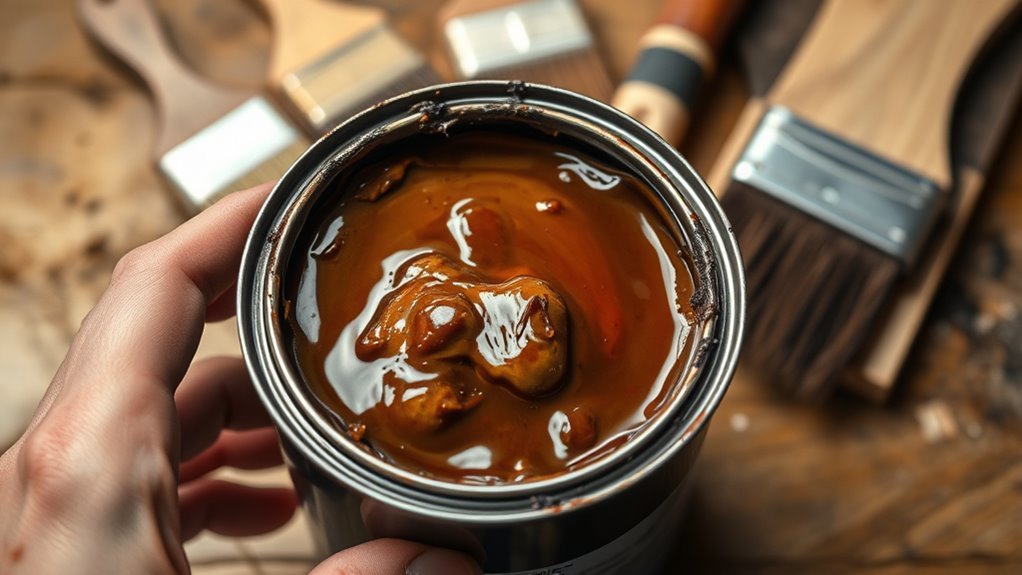
You can often tell if wood stain has spoiled just by how it looks and smells. If you notice a sour, rancid, or foul odor that’s different from the original smell, the stain is likely spoiled.
Check the color and consistency closely; thickening, clumping, or separation signals spoilage. Sometimes, the stain becomes watery or overly thin, making it hard to apply smoothly.
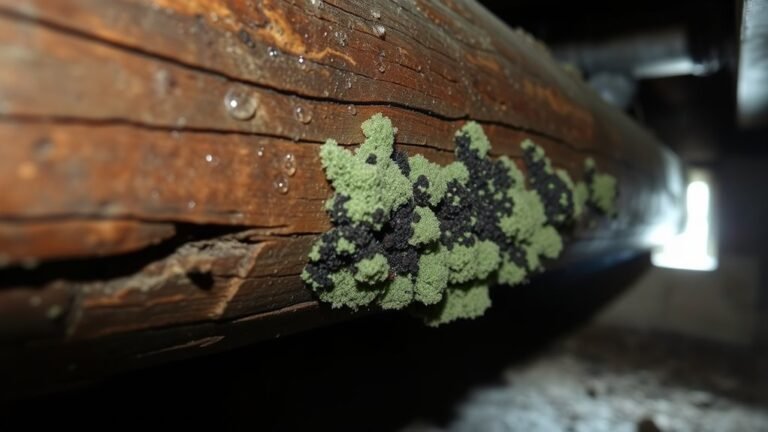
Also, watch out for mold or mildew growing on the surface—that’s a clear sign the stain is contaminated. Spoiled stain may even emit strong chemical fumes after drying, which means it’s no longer safe or effective to use.
What Happens to Wood Stain When It Goes Bad

How can you tell if wood stain has truly gone bad beyond just smell and appearance? When stain expires, it often develops a foul odor caused by mold or bacteria. You might notice the texture turning lumpy or separating, making it hard to apply evenly.
Expired stain can leave uneven color, dullness, or poor wood penetration. It may also fail to dry properly, which compromises adhesion and durability. So, it’s not just about looks — the performance suffers too.
Here’s what happens with bad stain:
| Symptom | Cause | Result |
|---|---|---|
| Foul odor | Mold/Bacterial growth | Unpleasant and unsafe to use |
| Lumpy texture | Separation | Uneven application |
| Dull color | Chemical breakdown | Loss of vibrancy |
| Poor drying | Expired solvents | Weak finish, poor adhesion |
Avoid using stain showing these signs to ensure your project lasts. It’s better to be safe and get fresh stain than risk a poor finish!
How to Test Old Wood Stain Before Using It
Before you use old wood stain, take a close look for any separation or unusual texture, and give it a sniff to check for off odors.
Next, apply a small amount on a hidden spot to see if it soaks in evenly and dries normally.
Finally, test its adhesion by wiping the area—if it beads or rubs off easily, it’s time to replace it.
Visual Inspection Tips
Although old wood stain might still seem usable, it’s crucial to inspect it carefully to avoid poor results. Start by stirring or shaking the can thoroughly.
If the stain resists mixing or forms clumps, it’s likely spoiled. Next, observe the color—any darkening or dullness may indicate it’s past its prime.
Finally, test the stain on a hidden wood spot to check for smooth application and even drying.
| Inspection Step | What to Look For | Action If Detected |
|---|---|---|
| Stir | Lumps or separation | Discard stain |
| Color | Unusual dark or dull hues | Avoid use |
| Test | Uneven application/drying | Stop and replace stain |
Use these visual inspection tips to guarantee your stain performs well every time.
Smell And Texture
After checking the stain’s appearance and test application, turn your attention to its smell and texture. Fresh wood stain usually has a mild chemical odor and a smooth, fluid texture.
If you detect a strong, unpleasant odor—like sour, rancid, or foul smells—it’s a clear sign of spoiled stain. Similarly, if the texture feels thick, lumpy, or stringy instead of liquid and even, the stain has likely separated, dried out, or become contaminated.
These changes in smell and texture indicate that the stain is no longer suitable for use and may contain mold or other spoilage. So, before applying, always make sure the stain maintains a consistent texture and lacks any foul odors to ensure it’s still good and safe for your project.
Small Test Application
When you want to guarantee an old wood stain is still usable, apply a small amount to a hidden spot on your wood surface. This small test application helps you avoid ruining your project.
Here’s how to proceed:
- Apply the stain on a discreet area or scrap wood and let it dry completely.
- Observe the stain colors and texture—check for any clumping, separation, or unusual thickness.
- Assess adhesion and penetration to ensure the stain soaks into the wood properly.
If the stain shows sedimentation, an off smell, or doesn’t dry evenly, it’s likely no good. Using this simple small test application ensures your wood staining turns out just right without surprises.
How to Extend Wood Stain Shelf Life
To extend your wood stain’s shelf life, store it in airtight containers and keep it at a consistent, cool temperature. Make sure to seal the container tightly after each use to prevent exposure to air and moisture.
You’ll want to avoid placing it in direct sunlight or humid areas. This helps maintain its quality longer and keeps it ready for your next project.
Proper Storage Techniques
Although wood stain can last a long time, proper storage is key to extending its shelf life and maintaining quality. To keep your stain in top shape, follow these simple steps:
- Always store the stain in a cool, dry place away from direct sunlight. Avoid freezing or extreme temperature swings that can ruin its consistency.
- Keep the container tightly sealed after use to minimize air exposure, which causes thickening or spoilage. If needed, transfer to smaller airtight containers.
- Label your stain with the purchase date. This helps you track its age and decide if it’s still good for your next project.
Seal And Temperature Control
How can you make your wood stain last longer? Focus on proper sealing and temperature control. Always store your stain in airtight containers with tight-fitting lids to prevent air and moisture from spoiling or separating the product.
Proper sealing minimizes oxygen infiltration, which reduces microbial growth and contamination risks. It really helps keep your stain fresh and ready to use.
Maintain consistent storage conditions between 50°F and 70°F. Avoid temperature fluctuations because they can cause sediment or thickening.
Also, steer clear of extreme heat, cold, direct sunlight, and radiators. These can break down the stain’s chemical stability.
When to Replace Wood Stain to Avoid Project Failures
When you’re preparing for a wood staining project, knowing when to replace your stain can save you from costly mistakes. Using expired or spoiled stains leads to uneven color, poor adhesion, and finishes that peel prematurely.
Knowing when to replace your wood stain prevents uneven color, poor adhesion, and peeling finishes.
To avoid project failures, replace your wood stain if you notice:
- A foul odor or thickening that won’t remix.
- Clumping, separation, or an unusual film, including mold or mildew.
- The stain has exceeded the manufacturer’s recommended shelf life of 2-3 years.
Always test your stain on scrap wood before full application. If any signs of spoilage appear, it’s best to discard the stain and start fresh.
This ensures a smooth, durable finish and protects your project investment. Trust me, it’s worth the extra step!
Can You Use Separated or Thickened Wood Stain?
Knowing when to replace your wood stain is important, but you might wonder if you can still use stain that has separated or thickened.
Often, a separated stain is still usable if you thoroughly remix it by stirring or shaking. For thickened stain, you might restore its consistency by adding a compatible solvent, depending on the stain type.
However, if the stain smells foul, shows mold, or feels sticky and rubbery, it’s no longer usable. Stains exposed to extreme temperatures or stored for years may have chemically changed, making them unusable despite remixing attempts.
Always check the manufacturer’s guidelines and test a small area first. This guarantees that your separated or thickened stain will still produce the desired finish before applying it broadly.
How to Safely Dispose of Old Wood Stain
Since old wood stain contains flammable chemicals, you need to handle its disposal carefully to avoid fire hazards and environmental damage. Improper disposal can lead to hazardous waste issues and serious fire hazard risks, especially from oily rags.
Old wood stain’s flammable chemicals require careful disposal to prevent fire hazards and environmental harm.
Here’s how to safely dispose of old wood stain:
- Lay stain-soaked rags flat in a well-ventilated, non-flammable area until they’re completely dry and stiff. Never ball them up or toss them wet in the trash.
- Submerge used rags in water and seal them in a metal or glass container to reduce fire risk before disposal.
- Check your local hazardous waste guidelines for proper stain disposal, and always wear gloves to protect your skin and the environment.
Following these steps guarantees safe disposal and minimizes fire hazards. It’s a simple way to keep your home and surroundings safe!
How to Store Wood Stain to Keep It Fresh
Proper storage plays a key role in keeping wood stain fresh and effective for future projects. To store your wood stain properly, always seal the container tightly to prevent air exposure, which can lead to thickening or spoilage.
Keep the stain in a cool, dry place away from direct sunlight and temperature changes. Also, avoid heat sources or open flames since the solvents can be flammable.
Label your container with the purchase or opening date to track its age easily. Before each use, check for signs of spoilage like foul odors, thickening, or separation.
Following these steps helps you maintain your wood stain’s quality. This way, it stays ready for your next project without wasted product or poor results.
Frequently Asked Questions
How Long Can You Keep a Can of Wood Stain?
You can keep unopened wood stain for 2 to 5 years. But once you open it, it lasts about 1 to 3 years if you seal it tightly and store it in a cool place.
Always check for any changes in odor or texture before you use it. That way, you’ll know if it’s still good to go.
What Are the Differences Between Early American and Provincial Stains?
You’ll notice Early American stains give you warm, golden tones with brighter, transparent colors that highlight wood grain.
Provincial stains offer darker, richer browns with opaque pigments for a more uniform, antique, European-inspired look.
Is It Bad to Get Wood Stains on Skin?
Yes, it’s bad to get wood stain on your skin because it can cause irritation or allergic reactions. You should wear gloves and wash the area immediately with soap and water to reduce risks and discomfort.
It’s really important to be careful when working with wood stains. If you do get some on your skin, don’t just ignore it—clean it off right away to avoid any problems.
Can You Stain Wood That’s Already Been Stained?
You can stain wood that’s already been stained, but it’s like painting over a sunset—you’ll need to prep carefully.
Clean, sand lightly, and test first to avoid blotches and guarantee the new color blends smoothly.
It’s all about patience and taking your time. That way, your wood will look just right with the fresh stain.
Conclusion
You might think wood stain lasts forever, but it’s more like that forgotten sandwich in your fridge—looking okay but smelling off. Using spoiled stain won’t just ruin your project; it’ll turn your woodwork into a sad, blotchy mess.
So, test it, store it right, and don’t cling to that thickened goo. Sometimes, the best way to save your project is to say goodbye to the old stain and start fresh.
Wood stain can definitely go bad over time, especially if it’s not sealed tightly or stored properly. When it does, its consistency changes, and it might develop an unpleasant odor or clumps. These signs mean your wood stain isn’t good to use anymore.
To keep your stain fresh longer, always close the lid tightly after use and store it in a cool, dry place. If you notice any changes in texture, smell, or color, it’s best to toss it out. Remember, using good-quality, fresh wood stain ensures your project looks vibrant and lasts longer. Don’t risk your hard work with old, spoiled stain—choose to start fresh and protect your woodwork’s beauty.