How Does an Outdoor Wood Furnace Work?
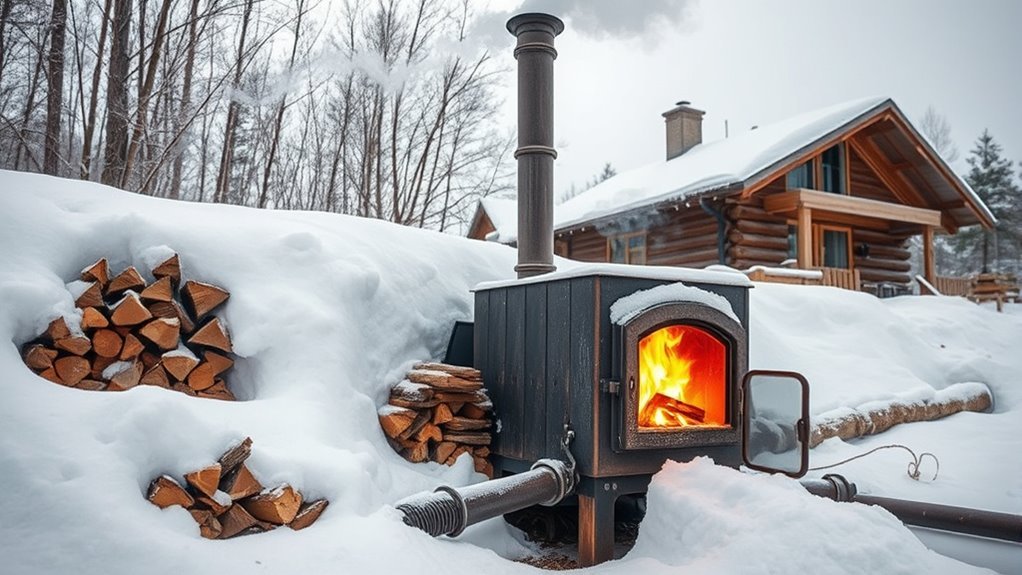
An outdoor wood furnace burns seasoned wood in a firebox, generating heat that transfers through a heat exchanger to warm water or air. This process is a great way to heat your home because it uses renewable wood fuel, making it both energy-efficient and eco-friendly.
A blower then pushes this heated air through your home’s ductwork, distributing warmth efficiently. It’s designed not only to keep your space cozy but also to connect easily with your existing heating system.
Built with safety features and designed to reduce fire risks, these furnaces offer peace of mind while keeping your home warm. If you want to understand how it keeps your home cozy and safe, there’s plenty more to explore.
Key Takeaways
- An outdoor wood furnace burns seasoned wood in a firebox to generate heat through combustion. Heat from the firebox transfers to water in a heat exchanger, warming it efficiently.
- A blower or pump circulates the heated water or air through insulated pipes into the home. This helps move the warmth right where you need it.
- Heated air or water distributes warmth via ductwork or radiators connected to the furnace system. It’s a cozy way to heat your whole house.
- Emissions vent outside, reducing indoor air pollution. Plus, having the fire risk outdoors makes things a lot safer.
Basic Components of an Outdoor Wood Furnace
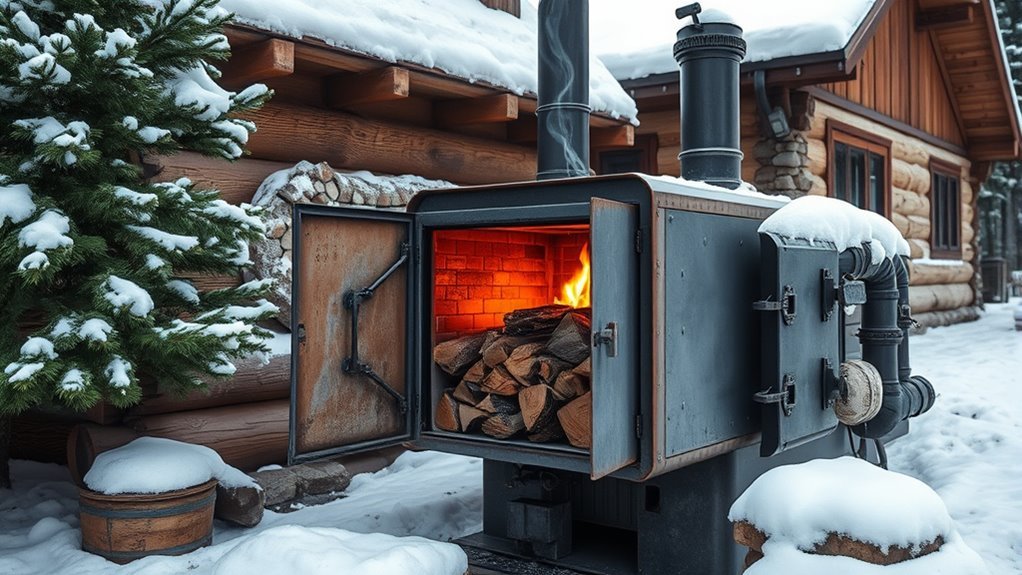
How does an outdoor wood furnace generate heat for your home? It starts with the firebox, where burning wood produces heat. This heat then transfers to a heat exchanger, a vital component that moves warmth from the combustion process to water circulating through your system.
As the water heats up, a blower or fan pushes it through pipes into your home, distributing consistent warmth. You’ll also find ductwork or pipe systems that carry this heated water efficiently.
Additional parts like thermometers and thermostats help you monitor and control the temperature, while safety features such as pressure relief valves keep everything secure. Understanding these basic components helps you appreciate how your outdoor wood furnace provides reliable, water-based heat throughout your home.
The Combustion Process in Outdoor Furnaces
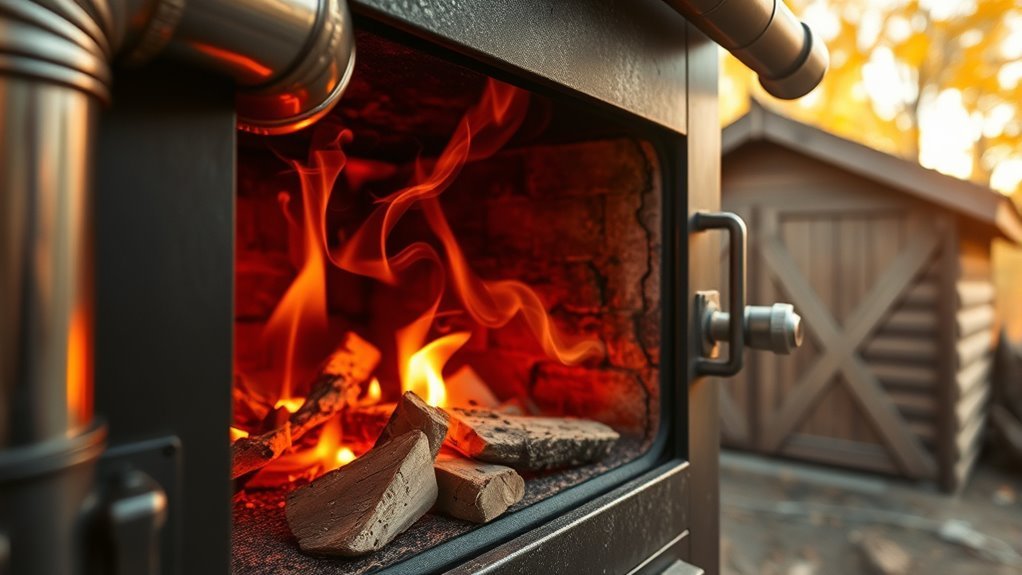
When you burn seasoned wood in an outdoor furnace, the firebox creates high-temperature flames that efficiently generate heat.
This heat then circulates through a heat exchanger, warming the water or air that flows through your system.
Keeping airflow and fuel quality in check guarantees the combustion stays clean and effective.
Wood Burning Mechanics
Because outdoor wood furnaces burn wood in a controlled firebox, you can efficiently convert solid fuel into usable heat. Inside the firebox, wood combustion happens through rapid oxidation, breaking down the wood and releasing heat, gases, and ash.
To keep this process efficient, you need to manage airflow and oxygen supply carefully. Proper air intake ensures the fire burns hot and clean, while exhaust vents remove gases and particulates.
The intense heat generated heats the firebox’s metal surfaces, which then transfer energy to the surrounding air or water. By regulating the firebox conditions, you optimize wood combustion, ensuring complete burning and minimizing emissions.
This precise control makes outdoor wood furnaces a reliable heat source for your home. It’s a smart way to get the most out of your wood fuel.
Heat Generation Cycle
Once you ignite the wood inside the firebox, the combustion process kicks into gear, creating the heat that powers your outdoor furnace. As the fire burns, it produces hot gases and releases heat energy by consuming the wood efficiently.
Proper airflow is vital here—it ensures the fire burns steadily and maximizes heat generation. This heat warms the firebox walls and surrounding air, transferring thermal energy to the heat exchanger.
Meanwhile, combustion gases are safely vented outside, preventing indoor air pollution. The system maintains a consistent heat output by regulating airflow and fuel input, keeping the burn cycle steady.
Heat Transfer Mechanisms Used
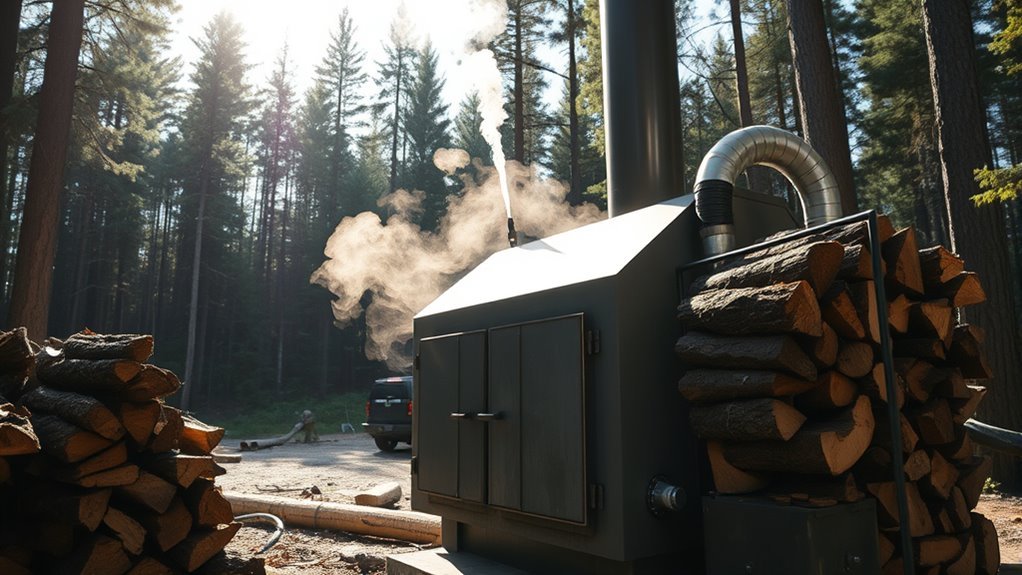
Although outdoor wood furnaces rely on several heat transfer mechanisms, conduction, convection, and radiation play the key roles in moving warmth from the firebox to your home.
First, conduction transfers heat directly through the firebox’s metal walls, heating the surrounding surfaces. Then, convection takes over, circulating warm air or water within the system to carry heat efficiently to your home.
As hot gases and flames heat the firebox walls, these surfaces radiate warmth, adding another layer of heat transfer. Understanding conduction and convection is vital because they ensure the heat generated by the fire doesn’t stay trapped inside the furnace but moves actively through the system, warming your living space reliably and effectively.
This combination keeps your home cozy during cold seasons. It’s how the system makes sure you get the warmth you need when it’s chilly outside.
Role of the Forced-Air System
When your home’s thermostat signals a temperature drop, the forced-air system springs into action by using an electric fan to push heated air from the outdoor furnace into your ductwork. This system plays a vital role in maintaining your home’s comfort by responding quickly to temperature changes.
Here’s how the forced-air system works:
- The thermostat detects a temperature drop inside your home.
- It activates the electric fan and circulator within the forced-air system.
- The fan pushes warm air from the outdoor furnace through the plenum and duct network.
- Cooled air is drawn back to be reheated, ensuring even heat distribution.
This setup allows you to control your indoor temperature efficiently. It makes outdoor wood furnaces ideal for whole-house heating.
Circulation of Heated Air Through Ductwork
As the electric fan in your outdoor furnace runs, it pushes heated air through a duct network that’s carefully designed to deliver warmth to each room via supply vents. The hot air flows from the plenum into supply ducts, reaching every corner of your home efficiently.
Return ducts then carry cooler indoor air back to the outdoor furnace, where it’s reheated, keeping the air moving in a continuous loop. Thermostats control the fan’s operation, turning it on or off to keep your indoor temperature just right.
Proper duct design and sealing are really important—they make sure the airflow stays consistent and the heat spreads evenly throughout your home. This circulation system helps your outdoor furnace provide steady, reliable warmth, making your place comfortable during cold weather.
Integration With Home Heating Systems
How exactly does an outdoor wood furnace fit into your home’s existing heating system? Outdoor furnaces connect seamlessly with your current setup by heating water or air that then circulates indoors.
Here’s how integration operates:
- The furnace sits outside, saving indoor space and reducing fire risk.
- Insulated pipes or ductwork link the furnace to your home’s heating systems.
- Water-to-air heat exchangers transfer heat to your forced-air system.
- Your thermostat signals the furnace to activate, maintaining your desired temperature efficiently.
This setup ensures consistent warmth while using your established ductwork or hydronic systems.
With proper insulation and controls, outdoor furnaces optimize heat transfer, making them an effective complement to traditional heating systems. It’s a smart way to boost your home’s heating without overhauling what you already have.
Safety Features and Fire Risk Reduction
Because outdoor wood furnaces keep the fire outside your home, they markedly reduce indoor fire hazards. This separation plays a vital role in fire risk reduction by containing combustion away from your living space.
Many units come equipped with safety features like automatic shut-off switches that activate if temperatures exceed safe limits, protecting your property from overheating dangers. The furnace’s fire-resistant materials and insulation further minimize accidental ignition or damage.
To maximize safety, you’ll want to ensure proper installation and consistent maintenance, which prevent issues like creosote buildup or fuel mismanagement that could spark fires. Additionally, placing the furnace outdoors reduces smoke infiltration and the chance of fire spreading indoors.
All in all, this gives you peace of mind about your home’s overall safety.
Energy Efficiency and Environmental Impact
Beyond safety, outdoor wood furnaces offer impressive energy efficiency and environmental benefits. When you use properly seasoned wood, you can expect energy efficiency rates of 70-80% or higher.
Outdoor wood furnaces deliver exceptional energy efficiency, reaching 70-80% with properly seasoned wood.
Here’s how they impact both your fuel consumption and the environment:
- They burn renewable biomass, cutting your reliance on fossil fuels and lowering greenhouse gas emissions.
- Proper insulation and smart design minimize heat loss, boosting energy efficiency further.
- Sustainable wood sourcing, especially when responsibly harvested and seasonally dried, ensures a low environmental impact.
- By venting combustion emissions outdoors, they reduce indoor air pollutants, improving air quality.
Maintenance Requirements and Best Practices
You’ll want to stick to a regular cleaning schedule to keep ash and soot from building up in the firebox and flues. Don’t forget to care for your chimney and flue by removing creosote and scheduling annual cleanings.
Also, make it a habit to inspect electrical components regularly. This way, you can catch any issues before they become bigger problems.
Regular Cleaning Schedule
Although outdoor wood furnaces are designed for durability, maintaining a regular cleaning schedule is essential to keep them running efficiently and safely. Neglecting ash buildup and soot can reduce airflow and heat transfer, leading to poor performance and safety risks.
To stay on top of maintenance, follow this routine:
- Remove ash and clinker buildup from the firebox regularly to maintain ideal combustion.
- Inspect and clean heat exchanger surfaces annually to prevent creosote buildup.
- Check and clean air intake vents and fans monthly to ensure proper ventilation.
- Schedule a professional inspection and cleaning every two years to catch potential issues early.
Using a wire brush or scraper, always follow manufacturer guidelines to keep your furnace in peak condition. Taking these simple steps can really make a difference in how well your furnace works over time.
Chimney and Flue Care
Since creosote buildup in your outdoor wood furnace’s chimney and flue can lead to dangerous fires, it’s essential to inspect and clean these components regularly. You should clean at least once per heating season using a chimney brush to remove soot and creosote from the flue liner, ensuring proper airflow and safety.
Look for signs like black tar-like deposits or a shiny, glazed coating, and address them promptly. Also, check that the chimney cap and spark arrestor are intact and free from obstructions to keep out debris, animals, and rain.
For thorough safety, schedule a professional chimney inspection annually to catch any structural issues or blockages that might impair venting or pose hazards. Proper chimney and flue care keeps your furnace running safely and efficiently.
Inspecting Electrical Components
When maintaining your outdoor wood furnace, regularly inspecting the electrical components helps prevent hazards and guarantees reliable operation. Pay close attention to the electrical wiring and connections to avoid potential failures or safety risks.
Here’s what you need to do:
- Check electrical wiring for signs of wear, corrosion, or damage.
- Ensure all electrical connections are tight and secure.
- Test safety switches and circuit breakers to confirm they trip properly.
- Keep electrical components clean and free of dust or debris.
Following these steps and adhering to the manufacturer’s maintenance guidelines will keep your furnace safe and efficient. Taking care of the electrical components not only extends your system’s lifespan but also ensures dependable performance throughout the heating season.
It’s a small effort that goes a long way. So, don’t skip these checks—they’ll help your furnace run smoothly when you need it most.
Frequently Asked Questions
How Often Should I Clean My Wood Burner?
You should clean your wood burner’s firebox and ash pan at least once a week during heavy use. This helps keep everything running smoothly and safely.
Also, don’t forget to inspect and clean the chimney or flue every 1-3 months. Doing this prevents creosote buildup and keeps your home safe.
What Does an Outdoor Wood Furnace Cost?
An outdoor wood furnace typically costs you between $6,000 and $12,000 before installation.
Bigger units or added features push costs higher, plus installation and accessories can increase your total investment considerably.
Can I Heat My Whole House With a Wood-Burning Stove?
You can heat your whole house with a wood-burning stove, but only if it’s high-capacity and paired with a good heat distribution system—like forced-air ducts.
Otherwise, it mostly warms the room it’s in. So, if your stove is just a regular one without that setup, it might not keep the whole place cozy.
Can You Leave a Wood Heater on Overnight?
You can leave a wood heater on overnight if it’s well-maintained and has safety features.
Just make sure you follow the manufacturer’s guidelines, monitor it properly, and guarantee the fire is safely contained to prevent hazards.
Conclusion
You might think an outdoor wood furnace is just a simple firebox, but it’s actually a sophisticated system balancing heat, safety, and efficiency. While it harnesses the raw power of burning wood, it carefully circulates warmth through your home without risking your safety.
By understanding how it works and maintaining it properly, you’ll enjoy cozy heat that’s both environmentally friendly and cost-effective. Comfort and responsibility go hand in hand in this clever system.
An outdoor wood furnace works by burning wood in a firebox located outside your home. The heat generated warms water that’s then circulated through insulated pipes into your home’s heating system. This setup keeps smoke, ash, and odors outside, making your indoor environment cleaner and safer.
Maintaining your outdoor wood furnace ensures it runs efficiently, saving you money on heating bills and reducing your carbon footprint. In short, it’s a smart, eco-friendly way to keep your home warm while making the most of renewable energy.