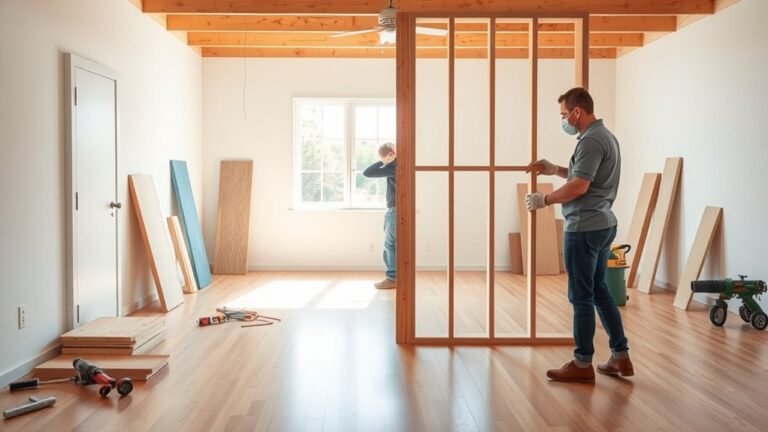
How to Use Pressure Treated Wood Safely Inside Your Home
You can safely use pressure treated wood inside your home by choosing modern, low-toxicity types labeled for indoor use, like AC2-treated lumber. These newer options are designed to be safer around your family and pets, so you don’t have to worry as much about harmful chemicals.
Always wear gloves, masks, and eye protection when cutting or handling the wood to avoid chemical exposure. It’s a good habit to work in well-ventilated areas, too, to keep the air fresh and reduce any fumes.
Once your wood is installed, seal it with paint or a sealant to cut down on off-gassing. Avoid using older CCA-treated wood indoors since it contains more toxic chemicals.
And remember, dispose of scraps responsibly. Following these tips will help you protect your health and your home while using pressure treated wood inside.
Key Takeaways
- Use pressure-treated wood labeled safe for indoor use, like AC2-treated lumber with modern, low-toxicity preservatives. This helps keep things safer for you and your family.
- Always wear gloves, masks, and eye protection when cutting, sanding, or handling treated wood indoors. It might feel like extra work, but it really makes a difference.
- Work in well-ventilated areas and try to minimize dust when you’re installing or finishing the wood. Fresh air helps keep any chemicals from building up inside.
- Apply sealants or paints to the treated wood surfaces. This step reduces chemical exposure and stops any leaching indoors, giving you extra peace of mind.
- Dispose of sawdust and scrap wood properly. Avoid burning or composting it, and follow your local hazardous waste guidelines to stay safe and eco-friendly.
What Is Pressure Treated Wood?

Pressure-treated wood is lumber infused with chemical preservatives to resist rot, insects, and decay. When you choose pressure-treated wood, you’re getting wood that’s been treated by forcing chemicals deep into its fibers under high pressure.
This process considerably extends the wood’s lifespan, especially in harsh or damp environments. Modern pressure-treated wood, often labeled as AC2, doesn’t contain harmful chemicals like the older CCA-treated wood, which had arsenic and is no longer used indoors.
You can feel confident using current pressure-treated wood because its preservatives are stable and won’t off-gas or leach harmful substances in typical indoor settings. Understanding what pressure-treated wood is helps you make safer, smarter choices for your home projects.
When Should You Use Pressure Treated Wood Indoors?
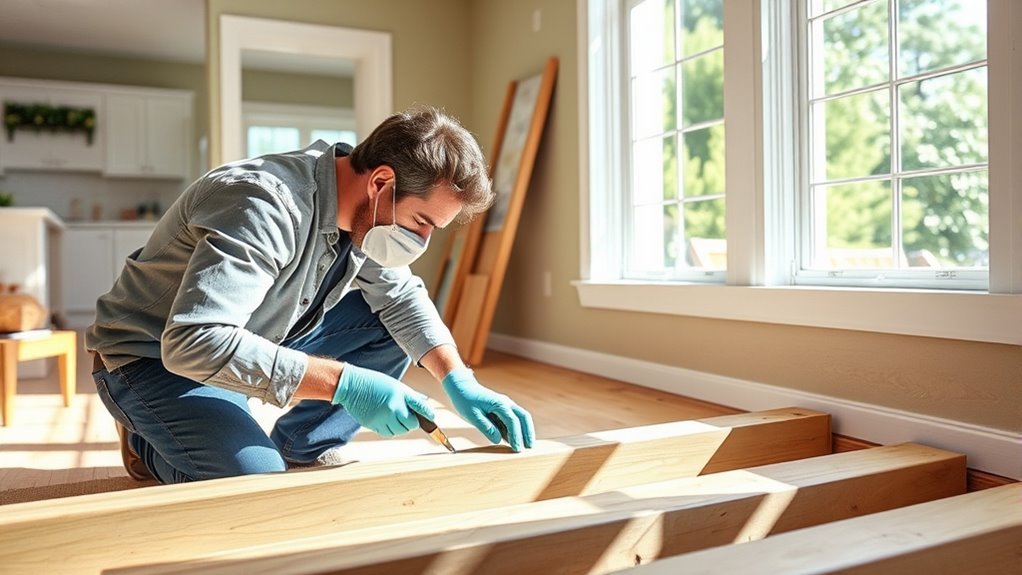
When you’re deciding whether to use treated wood inside your home, consider the specific conditions of the space. Pressure-treated lumber installed indoors is best reserved for areas exposed to moisture, like bathroom subfloors or rooms with high humidity.
It’s also smart to use it for structural elements, such as sill plates in termite-prone regions, where pest resistance is essential. Modern pressure-treated lumber labeled AC2 is generally safe for most indoor applications if you follow installation guidelines properly.
However, for regular indoor projects without moisture or insect concerns, you don’t need pressure-treated wood. Use it only when its moisture resistance and pest protection offer clear benefits, ensuring your wood stands up to the specific environmental challenges inside your home.
What Chemicals Are in Pressure Treated Wood: And Are They Safe Indoors?
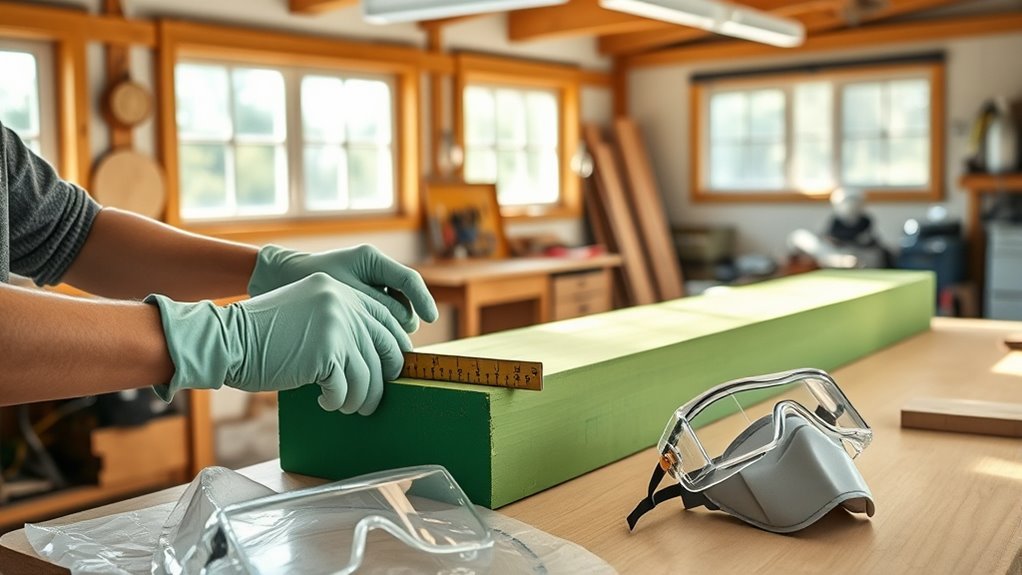
You might be wondering what chemicals are actually in pressure-treated wood and if they’re safe to have inside your home. Modern treatments mainly use copper-based preservatives that are stable and pose low health risks when installed properly.
Understanding these chemicals and how they behave indoors will help you minimize any exposure concerns. It’s good to know what you’re dealing with, right? That way, you can keep your home safe and comfortable.
Common Treatment Chemicals
Although some older wood treatments contained harmful chemicals like arsenic, modern pressure-treated wood uses safer compounds such as ACQ or CA-B. These are generally considered safe for indoor use when installed correctly.
These chemicals are designed to minimize leaching and off-gassing, making them suitable for your home’s indoor environment. You should avoid wood treated with creosote or pentachlorophenol, as these contain hazardous substances not meant for indoor use.
Since it’s tough to identify treatment chemicals just by looking, always check product labels to confirm the type of pressure-treated wood you’re working with. By choosing the right materials, you can confidently use pressure-treated wood inside without worrying about harmful chemical exposure.
Indoor Safety Considerations
How safe is pressure-treated wood for indoor use? Modern pressure treated wood, like AC2-treated lumber, is generally safe because it doesn’t off-gas or leach harmful chemicals indoors.
Older CCA-treated wood, which contained arsenic, is no longer used residentially and should be avoided inside.
To keep safe, check labels carefully to confirm you’re using up-to-date pressure treated wood. Avoid cutting or sanding indoors without protective gear to reduce dust exposure.
| Wood Type | Chemicals Used | Indoor Safety |
|---|---|---|
| AC2-treated | Stable, non-toxic | Safe for indoor use |
| CCA-treated | Arsenic-containing | Unsafe, avoid indoors |
| Handling Tips | Wear protective gear | Prevent dust inhaling |
| Identification | Check product labels | Confirm safe type |
Chemical Exposure Risks
When you choose modern pressure-treated wood, you’re using materials treated with chemicals like ACQ or CA-B. These are designed to be stable and safe for indoor environments.
These chemicals minimize chemical exposure risks because they don’t off-gas or leach under normal conditions. Unlike older CCA-treated wood, which contained arsenic and posed health hazards, current residential pressure-treated lumber avoids such toxic substances.
You should still handle the wood properly—dry it and seal it well—to reduce any chance of chemical exposure risks indoors. Industrial chemicals like creosote and pentachlorophenol aren’t used in residential wood, so you don’t need to worry about those.
Tips for Handling and Installing Pressure Treated Wood Indoors
When working with pressure-treated wood indoors, you should always wear gloves, masks, and eye protection to keep yourself safe. Cutting and sanding require careful handling to minimize dust and fumes, so work in well-ventilated areas whenever possible.
It’s really important to follow proper installation methods and manufacturer guidelines. That way, you can help guarantee your project stays safe and durable.
Proper Protective Gear
Since pressure-treated wood contains chemicals that can irritate your skin and lungs, you should always wear gloves, long sleeves, and eye protection while handling it indoors. This protective gear prevents direct contact with harmful substances and reduces the risk of irritation.
Also, when cutting, sanding, or drilling, make sure to use a dust mask or respirator. This helps you avoid inhaling dust particles that might still have those residual chemicals.
Always work in well-ventilated areas or, better yet, outdoors to keep airborne exposure to a minimum. Once you’re done, clean all your tools and equipment thoroughly. This stops any chemicals from spreading to other surfaces.
And don’t forget to dispose of sawdust and debris responsibly, following local regulations. This way, you protect not just your health but the environment too. Using the proper protective gear really makes all the difference in keeping you safe throughout the project.
Safe Cutting Practices
Although pressure-treated wood offers durability, cutting and installing it indoors require extra caution to protect yourself from chemical exposure. Always wear gloves, a dust mask, and eye protection when cutting to avoid inhaling dust or skin contact with chemicals.
Use a saw equipped with a dust collection system or work outside to minimize dust. Cut slowly and steadily to reduce harmful dust and splinters, especially if you plan to use the wood for indoor projects like cutting boards.
Avoid power tools that create excessive dust indoors, and guarantee your workspace is well-ventilated. Finally, dispose of sawdust, scraps, and debris properly according to local regulations to prevent chemical leaching and protect your home environment while handling pressure-treated wood safely.
Correct Installation Methods
To install pressure-treated wood indoors safely and effectively, you’ll need to handle it with care and follow best practices. Always wear gloves, masks, and eye protection to avoid exposure to chemicals and dust.
Use sharp, clean saw blades and proper tools to minimize splinters and airborne particles. Make sure the wood is fully dried and well-ventilated after cutting or staining to reduce moisture and off-gassing.
When you use pressure-treated wood, pick corrosion-resistant fasteners like stainless steel or hot-dipped galvanized screws. This helps prevent rust and structural issues.
Finally, follow the manufacturer’s instructions and local building codes closely to ensure proper installation and safety. These steps will help you manage pressure-treated wood indoors confidently and responsibly.
Best Indoor Projects for Pressure Treated Wood
Where can pressure-treated wood make the biggest impact inside your home? It’s ideal for structural elements like framing, sill plates, and subfloors. This is especially true in moisture-prone areas such as bathrooms or basements.
Using pressure-treated wood in these spots helps resist decay and termite damage. That gives your home long-lasting strength. You can also use it for wall framing, ceiling supports, and interior partitions in humid regions.
Just make sure you choose modern pressure-treated lumber labeled AC2. It’s safe for indoor use when properly handled. But avoid using it on surfaces that contact food, like countertops.
How to Minimize Chemical Exposure Indoors
Because pressure-treated wood contains chemical preservatives, you’ll want to take precautions to minimize exposure when using it indoors. First, make sure the treated wood is labeled safe for indoor use, like AC2-treated lumber, which has minimal chemical risks.
Avoid cutting or sanding treated wood inside without protective gear, as dust can release harmful chemicals. Always wash your hands thoroughly after handling or installing treated wood to reduce chemical transfer.
To further minimize exposure, apply sealants or paints approved for treated wood. This creates a barrier that limits chemical leaching.
Keep the wood dry and well-ventilated during installation and before finishing to prevent off-gassing. These steps help you safely enjoy treated wood projects indoors while protecting your health.
Precautions for Older or CCA-Treated Wood Indoors
Although older CCA-treated wood is no longer common in homes, you may still encounter it indoors. For your safety, take precautions when dealing with this wood, as it contains arsenic and poses health risks if damaged.
Regularly inspect CCA-treated wood for signs of splintering or rotting, and replace any compromised pieces promptly. When handling it, wear protective gear like gloves, masks, and goggles to reduce exposure.
Applying a sealant annually helps minimize arsenic leaching and enhances safety for indoor use. Avoid burning or sanding older treated wood, since creating dust or smoke can release toxic chemicals.
How to Maintain and Dispose of Pressure Treated Wood Responsibly
To keep your home safe and extend the life of pressure-treated wood, you need to maintain it carefully and dispose of it properly. Regularly inspect for damage and apply a sealant annually to reduce chemical leaching.
When it’s time to dispose, never burn or compost the wood. Instead, follow local regulations and use designated disposal facilities or hazardous waste programs for safe handling.
| Task | Action | Safety Tip |
|---|---|---|
| Inspect | Check for damage/deterioration | Replace promptly |
| Seal | Apply sealant annually | Minimizes chemical leaching |
| Dispose | Use local disposal or hazardous waste | Avoid burning or composting |
| Handle | Wear gloves, masks, and eye protection | Reduce chemical exposure |
Following these steps guarantees proper disposal and limits hazardous waste risks. It’s really about keeping things safe and doing your part for the environment.
Frequently Asked Questions
Is It Safe to Use Pressure-Treated Lumber Inside Your Home?
Yes, you can safely use modern pressure-treated lumber indoors if you choose AC2-treated wood. Just make sure it’s properly dried and installed.
Also, avoid direct contact with food surfaces. And always handle it with gloves to prevent dust exposure.
Does Pressure-Treated Wood Release Toxins?
Pressure-treated wood doesn’t release harmful toxins under normal indoor conditions if it’s modern and properly dried. Just avoid burning or sanding it inside, and you’ll minimize any risk of exposure to chemicals or dust.
Can You Make Indoor Furniture Out of Pressure-Treated Wood?
Yes, you can make indoor furniture from pressure-treated wood if it’s labeled safe for indoor use, like AC2-treated lumber.
Just make sure to seal or finish it properly to minimize any chemical exposure and maintain it regularly. It’s all about keeping things safe and looking good over time.
Is Home Depot Pressure-Treated Lumber Safe for Vegetable Gardens?
Yes, Home Depot’s pressure-treated lumber labeled AC2 is safe for vegetable gardens if you keep it above ground and avoid direct contact with edible plants.
Always check labels and install it properly to minimize any chemical risks.
It’s a good idea to stay cautious, but with the right setup, you should be just fine.
Conclusion
Now that you know how to use pressure treated wood safely indoors, you can tackle your projects with confidence—no need to call in Sherlock Holmes! Just remember to handle it carefully and make sure of proper ventilation.
Also, avoid using older CCA-treated wood inside your home. That stuff can be risky, so it’s better to play it safe and stick with newer treatments.
With these tips, you’ll enjoy durable, protected wood without worrying about harmful chemicals. Staying safe and following best practices means your home will thank you for it!
Using pressure treated wood indoors doesn’t have to be complicated. By handling it properly, ensuring good airflow, and choosing the right type of wood, you protect both your family and your investment. So go ahead—get started on your indoor projects with pressure treated wood and enjoy long-lasting, safe results!