How You Can Safely Use Pressure Treated Wood Indoors
You can safely use pressure-treated wood indoors by choosing properly dried lumber and handling it with gloves, masks, and eye protection to reduce chemical exposure. It’s important to be careful when working with this type of wood because it contains chemicals to resist moisture and pests. These chemicals can be harmful if you’re not cautious.
Install it mainly in moisture-prone areas like basements or bathrooms, where its treatment helps prevent rot and decay. Applying durable finishes can limit surface contact with chemicals, although finishes won’t stop internal migration entirely. So, it’s still good to be cautious even after sealing the wood.
Dispose of waste carefully and keep the wood in good condition to avoid cracks that increase risks. Cracks can expose more of the chemicals, so maintaining the wood helps keep things safer. Keep following safety steps to understand all necessary precautions and alternatives.
This way, you can enjoy the benefits of pressure-treated wood indoors without unnecessary risks.
Key Takeaways
- Use pressure-treated wood only in moisture-prone indoor areas like basements or bathrooms to prevent rot and pest damage. It’s best to keep it where moisture is an issue.
- Always wear gloves, masks, and eye protection when handling or cutting to minimize chemical exposure. Safety first, right?
- Make sure the wood is fully dried and cured before you install it indoors. This helps reduce dust and chemical off-gassing, which is better for your health.
- Apply durable surface finishes to limit chemical exposure. Just remember to check regularly for cracks or damage to keep things safe.
- Clean up dust with a HEPA vacuum and dispose of scraps properly. And never, ever burn or compost treated wood indoors—it’s just not safe.
Is Pressure-Treated Wood Safe for Indoor Use?
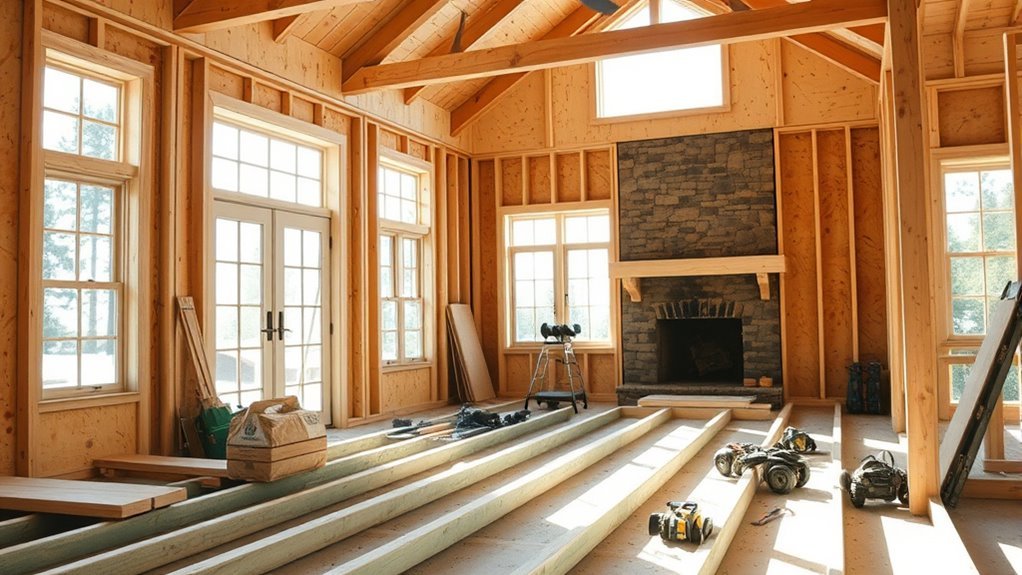
Although pressure-treated wood was once avoided indoors due to chemical concerns, modern AC2-treated lumber is safe for most indoor uses when installed properly. You can confidently use pressure-treated wood in areas like bathroom subfloor panels or other moisture-prone spots without worrying about harmful off-gassing.
This treated wood doesn’t release dangerous chemicals under typical indoor conditions, ensuring safety for your home environment. However, when working with pressure-treated wood, you should always wear gloves and a mask to protect yourself from dust and chemical exposure during cutting or sanding.
Keep in mind, pressure-treated wood isn’t suitable for surfaces that come into direct contact with food, like cutting boards or countertops. By following these guidelines, you’ll maintain safety while benefiting from pressure-treated wood’s durability indoors.
When Is Pressure-Treated Wood Needed Indoors?
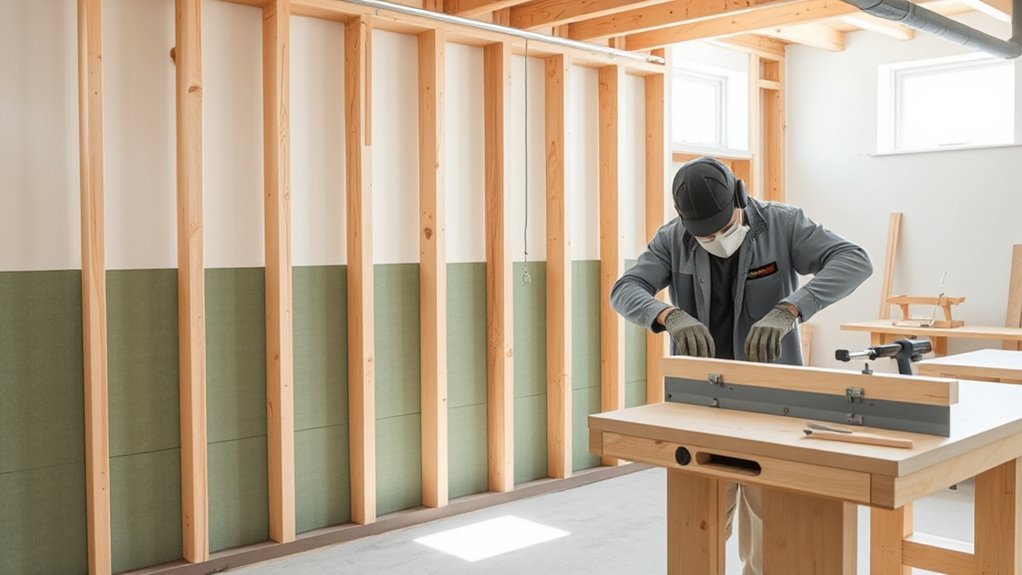
You’ll want to use pressure-treated wood indoors mainly in areas prone to moisture, like basements or bathrooms, to prevent rot and damage. It’s also necessary for structural parts in termite-prone regions to provide extra pest protection.
Using it only when moisture or pests are a concern helps keep your indoor environment safe and durable. That way, you’re not overdoing it, and your wood lasts longer.
Moisture-Prone Indoor Areas
When you’re dealing with areas inside your home that face frequent moisture—like bathrooms, basements, or spots with regular water exposure—pressure-treated wood becomes essential. This wood is specially designed to resist moisture, preventing rot and decay in moisture-prone areas.
Using pressure-treated wood for indoor use helps safeguard structural components and subfloor panels where damp conditions are common. It’s a smart choice to keep your home safe from moisture damage.
Consider these key moisture-prone indoor areas where pressure-treated wood is ideal:
- Bathroom subfloor panels exposed to humidity and occasional water spills
- Basement framing and sill plates prone to dampness or condensation
- Laundry rooms or mudrooms where water exposure happens regularly
Choosing pressure-treated wood in these spots ensures durability and long-lasting performance. It really helps protect your home from moisture-related damage over time.
Termite Risk Protection
Since termites pose a serious threat in certain regions, using pressure-treated wood indoors becomes essential for protecting your home’s structural integrity.
In termite-prone areas like the southeastern U.S., pressure-treated wood with borate preservatives offers reliable termite protection. This is especially true for structural elements exposed to moisture or pests. You’ll find pressure-treated lumber used in sill plates and entire structures to prevent damage.
| Situation | Recommendation |
|---|---|
| High termite risk region | Use pressure-treated wood |
| Low termite activity area | Untreated wood is fine |
| Structural element indoors | Pressure-treated preferred |
Look for stamps like PT or UC4B to confirm pressure-treated wood is suitable for indoor use. This way, you make sure termite protection is applied exactly where it’s needed.
How to Identify Pressure-Treated Wood for Indoor Use
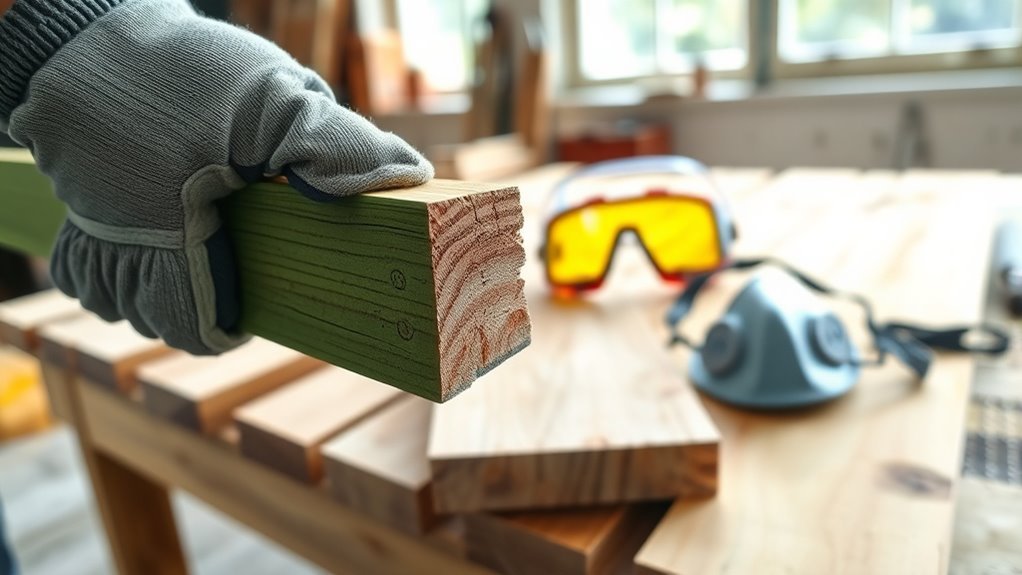
Although pressure-treated wood often looks similar to untreated lumber, you can identify it by checking for surface markings like stamps or incisions labeled “PT” or “UC4B.”
You should also examine product tags for treatment codes such as AC2, which indicate suitability for indoor use. For accurate identification, consider these tips:
- Look for a greenish tint or staining, a common sign of pressure-treated wood, though not always present.
- Feel the wood’s weight; pressure-treated lumber tends to be heavier than untreated wood of the same size.
- Use a moisture meter or bead test to ensure the wood is properly dried, which is essential for safe indoor use.
How to Handle and Install Pressure-Treated Wood Safely Indoors
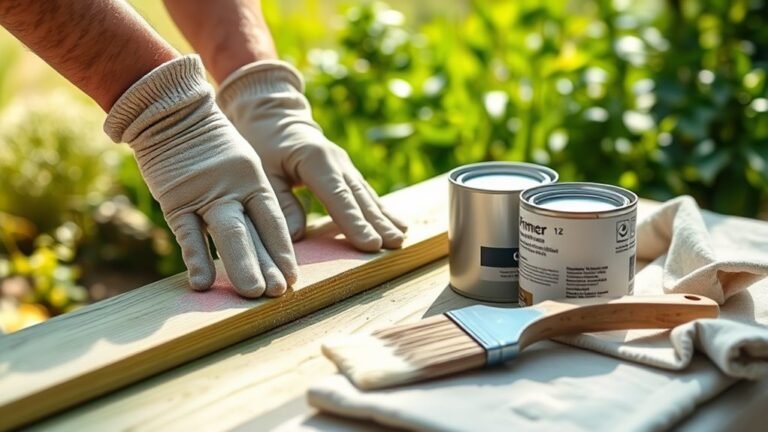
When handling pressure-treated wood indoors, always wear an N95 or P100 respirator, gloves, and safety glasses to protect yourself. It’s important to gear up right so you don’t breathe in or get exposed to any harmful chemicals.
Use a HEPA vacuum to clean up sawdust instead of sweeping or blowing dust around. This way, you keep those tiny, harmful particles from spreading all over the place.
Taking these precautions really helps you stay safe while working with treated wood inside. Trust me, it’s worth the extra effort!
Personal Protective Equipment
To protect yourself while handling pressure-treated wood indoors, you should always wear an N95 or P100 respirator, safety goggles, and gloves. This essential PPE prevents inhalation of toxic dust and protects your skin from harmful chemicals.
Don’t skip your dust mask, as airborne particles can be dangerous even in well-ventilated spaces. Always use proper eye protection to shield your eyes from dust and debris.
Remember to:
- Choose a dust mask rated N95 or higher for effective filtration.
- Wear durable gloves to avoid skin contact with chemicals.
- Use safety goggles that fit snugly to prevent dust entry.
Dust Control Methods
Wearing the right protective gear is only part of staying safe with pressure-treated wood indoors. To control dust effectively, always work in a well-ventilated area or better yet, outdoors. This reduces airborne particles and improves safety.
When cutting or sanding, avoid creating dust in confined spaces. Use a HEPA vacuum to clean up dust and debris instead of sweeping or blowing, which can spread hazardous dust.
After finishing, wipe down work surfaces with a damp cloth or HEPA-filter vacuum to remove residual particles. Dispose of sawdust and scraps by sealing them in plastic bags—never burn or compost treated wood waste.
Prioritizing ventilation and dust control methods guarantees you minimize inhalation risks and maintain a safer indoor environment throughout your project. It’s really all about keeping the air clean and making your workspace safer for you.
Why Finishes Don’t Fully Protect Pressure-Treated Wood Indoors
Although finishes like paint or polyurethane can initially shield pressure-treated wood indoors, they don’t fully prevent chemicals from migrating through the wood.
Over time, finishes wear down, crack, or scratch, exposing the treated wood beneath. When this happens, moisture and chemical residues can seep out, which might increase potential health risks.
Here’s why finishes aren’t foolproof:
- Small chips or damage let moisture penetrate, which speeds up chemical migration.
- Finish layers can’t seal chemicals that are deeply embedded in the wood during treatment.
- Relying only on surface finishes means ignoring the ongoing release of harmful substances over time.
Safer Wood Alternatives to Pressure-Treated Wood Indoors
When choosing wood for indoor projects, you can opt for safer alternatives to pressure-treated lumber that reduce chemical exposure and health risks. Hardwoods like oak, maple, and cherry are naturally durable and non-toxic, making them excellent safer alternatives.
You can also use untreated wood sourced sustainably to avoid harmful chemicals and support eco-friendly practices. For softer woods like pine or cedar, applying moisture-resistant finishes such as mineral oil, beeswax, or food-safe sealants helps protect the wood without introducing toxins.
Additionally, naturally rot-resistant woods like cypress provide durability in moisture-prone indoor areas without relying on chemical treatments. By selecting these options and using appropriate moisture-resistant finishes, you guarantee safer, healthier indoor wood projects while minimizing chemical hazards associated with pressure-treated wood.
Minimizing Chemical Exposure With Pressure-Treated Wood Indoors
Because modern pressure-treated wood contains chemicals that are fixed within its fibers, you won’t typically face significant risks of leaching or off-gassing indoors. To keep your indoor space safe, you just need to handle the wood carefully and take some simple steps to minimize chemical exposure.
Here’s how you can protect yourself and your home:
- Wear gloves, masks, and eye protection during installation to avoid direct contact with chemical preservative residues. It’s a good idea to suit up properly before you start working.
- Allow the wood to fully dry and cure before bringing it indoors. This helps reduce dust and chemical transfer, making your home safer.
- Apply durable, non-porous finishes to limit surface exposure. Keep in mind, though, that this won’t eliminate the chemicals inside the wood entirely.
Frequently Asked Questions
Is It Okay to Have Pressure-Treated Wood Inside a House?
Yes, you can have pressure-treated wood inside your house if you handle it properly. Make sure it’s dry before installation, use safety gear when cutting, and avoid exposure to sawdust to keep your indoor environment safe.
Just remember to take those precautions seriously. It helps keep your home safe and your air clean.
Is Pressure-Treated Wood Safe for Humans?
Think of pressure-treated wood as a locked treasure chest—it’s safe for you because harmful chemicals are sealed inside. Just wear gloves and a mask when cutting to avoid inhaling dust, and you’ll be just fine indoors.
When you’re working with it, taking those simple precautions makes all the difference. So, no worries—just be careful and enjoy your project!
Is Home Depot Pressure Treated Lumber Safe for Vegetable Gardens?
Home Depot pressure-treated lumber isn’t generally safe for vegetable gardens unless labeled specifically for garden use. You should avoid direct contact with soil or plants and consider lining beds or using untreated wood to prevent chemical exposure.
It’s really better to be cautious here. If you want to play it safe, go for materials that are clearly meant for gardening. That way, you won’t have to worry about any unwanted chemicals leaching into your veggies.
How Long Do Chemicals Stay in Pressure Treated Lumber?
Think of chemicals in pressure-treated lumber like ink fading on old paper—they’re strongest at first but fade over years.
You’ll find most chemicals linger only a few months, then reduce markedly as the wood dries and ages naturally.
Conclusion
When working with pressure-treated wood indoors, think of yourself as a careful gardener tending a delicate plant—nurture safety at every step. You can’t just dress it up with finishes and call it safe; you need proper handling and ventilation to keep harmful chemicals at bay.
By choosing wisely and taking precautions, you’ll create a space that’s both strong and healthy. Turning tough wood into a trusted foundation rather than a hidden hazard is totally possible.
Remember, using pressure-treated wood indoors requires attention to detail. Always wear protective gear, ensure good airflow, and seal the wood properly to minimize exposure to chemicals. With the right care, pressure-treated wood can be a safe and durable option for your indoor projects, providing strength without compromising your health or home environment.