Can Stained Wood Be Painted Over?
Yes, you can paint over stained wood, but the key is proper preparation. First, you want to clean the surface thoroughly to get rid of any oils and dirt. This step helps the paint stick better and last longer.
Next, lightly sand the wood to dull the glossy finish and improve paint adhesion. Don’t skip this part—it makes a big difference! After sanding, apply a stain-blocking primer to prevent any stain from bleeding through the new paint.
Using a compatible, high-quality paint is essential for the best results. Make sure to let each coat dry completely before sanding lightly and applying the next one.
Following these simple steps guarantees a smooth, long-lasting finish.
If you want to perfect the process of painting over stained wood, there’s definitely more to learn, but this will get you started with confidence!
Key Takeaways
- Yes, stained wood can be painted over with proper surface preparation and drying.
- Start by cleaning and lightly sanding the stained wood. This helps remove the gloss and improves paint adhesion.
- Next, use a stain-blocking primer. It prevents stain bleed-through and makes the paint job last longer.
- Then, apply multiple coats of compatible water-based or acrylic paint. This will give you a smooth, even finish.
- Just be sure to allow adequate drying time between cleaning, priming, and painting steps. Doing so will give you the best results.
Can You Paint Over Stained Wood?
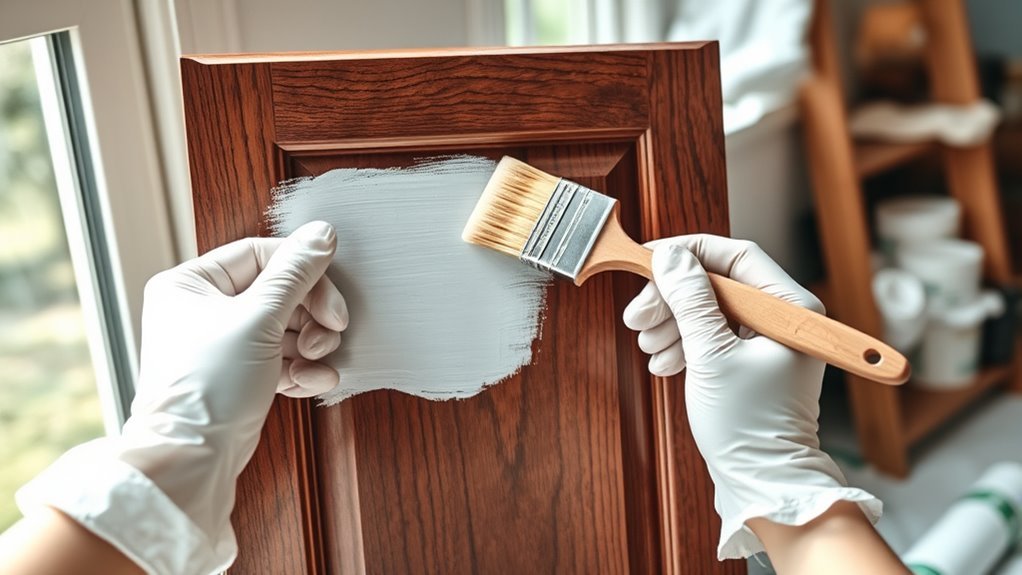
Although stained wood can be tricky to paint over, you can achieve a smooth finish if you prepare the surface properly. When you want to paint over stained wood, thorough surface preparation is key.
Start by making sure the stain is fully dry and cured. Lightly sanding improves adhesion by creating a better base.
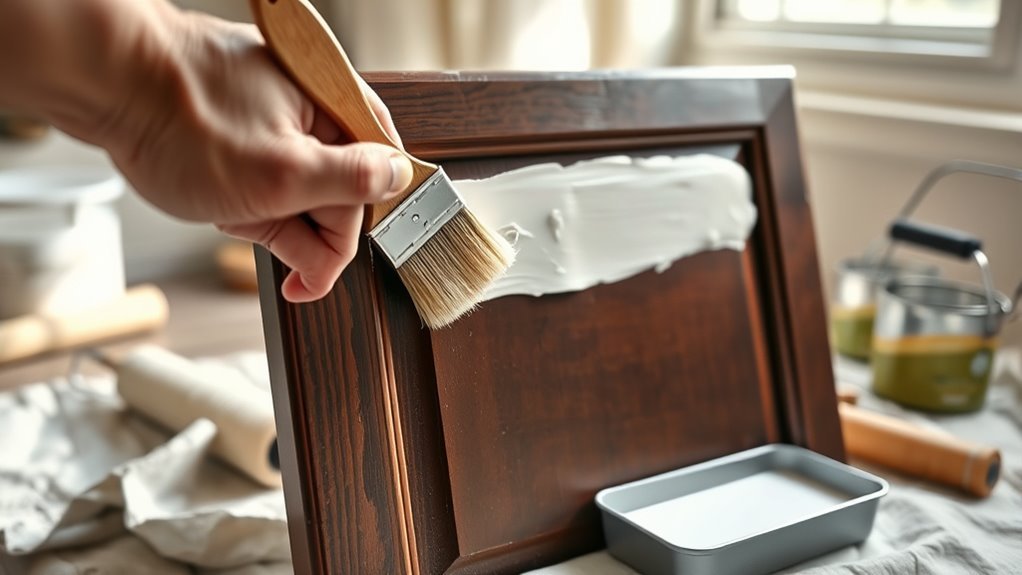
Next, apply a sealant or, even better, a stain-blocking primer designed to prevent stain bleed-through. This primer acts as a barrier, stopping dark or oil-based stains from showing through your paint.
Using the right primer ensures the paint adheres well and remains durable. With proper surface preparation and the right primer, you can confidently paint over stained wood without worrying about unsightly stains ruining your finish.
How to Prepare Stained Wood for Painting

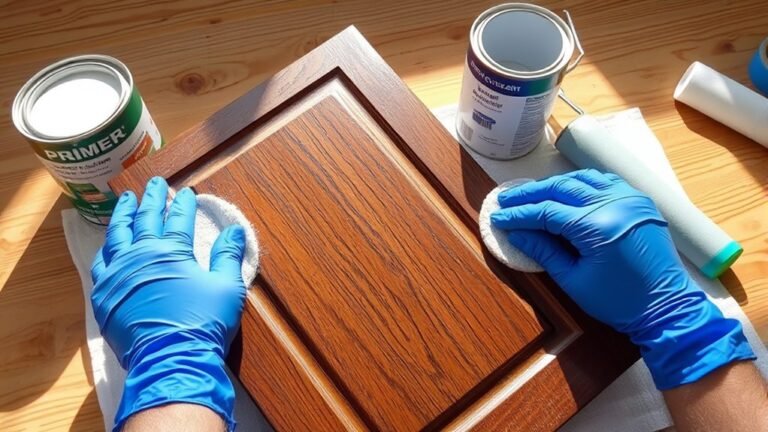
Before you start painting stained wood, you need to prepare the surface properly to guarantee good paint adhesion and a smooth finish. Begin by thoroughly cleaning the wood with a degreaser to remove oils and dirt.
Next, lightly sand the surface using 120/150 grit sandpaper to dull the stain’s gloss. This helps improve primer adhesion. Then, finish sanding with 220 grit for smoothness.
Remove all dust with a damp microfiber cloth before applying primer. For glossy finishes, sanding creates a rough key that helps the primer bond better.
You can test adhesion by applying painter’s tape and making sure the primer stays intact when you pull it off.
| Step | Purpose |
|---|---|
| Cleaning | Remove oils, dirt, and grease |
| Lightly Sand | Dull gloss and improve adhesion |
| Dust Removal | Ensure clean surface for primer |
Choosing the Right Primer and Paint for Stained Wood
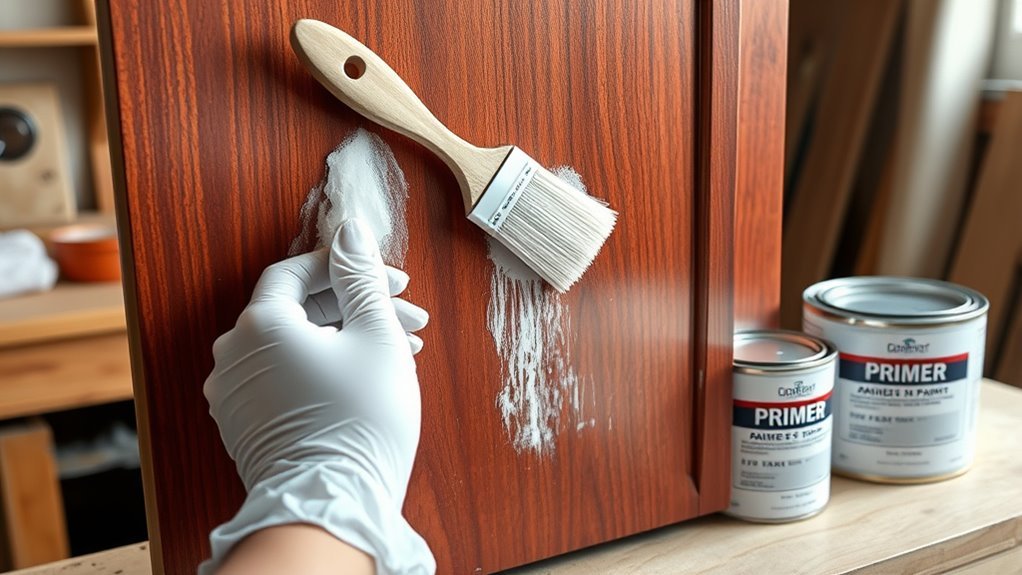
When painting stained wood, choosing the right primer and paint plays a crucial role in achieving a smooth, lasting finish. Start with a high-quality bonding primer, like Valspar Bonding Primer or Zinsser Cover Stain, to guarantee proper adhesion on stained wood surfaces.
For dark or stain-prone wood, apply a stain-blocking primer to prevent bleed-through and discoloration. Opt for water-based, latex, or acrylic paints, as they work best with primers designed for stained or glossy surfaces.
These paints make it easier to paint over stained wood and provide durable coverage. Always follow the manufacturer’s instructions regarding drying times and the number of coats.
Using the right combination of primer and paint ensures your project looks professional and stands the test of time. It’s definitely worth taking the time to get it right!
Step-by-Step Guide to Painting Over Stained Wood
Getting the right primer and paint sets you up for success, but proper preparation and application steps will make all the difference when painting over stained wood.
Start by cleaning the stained wood thoroughly to remove dirt and oils. Then, lightly sand the surface to dull the gloss and improve adhesion.
Next, apply the primer to use, such as a stain-blocking one, to seal the wood and prevent bleed-through. After you apply the primer, let it dry completely before sanding lightly for a smooth finish.
Finally, paint stained wood with multiple coats of quality paint, allowing each coat to dry well.
Here’s a quick checklist:
- Clean stained wood with a degreaser
- Sand with 120/150 grit for better primer grip
- Apply a coat of primer and let it dry
- Paint with multiple coats, allowing drying time between coats
Troubleshooting Paint Issues on Stained Wood
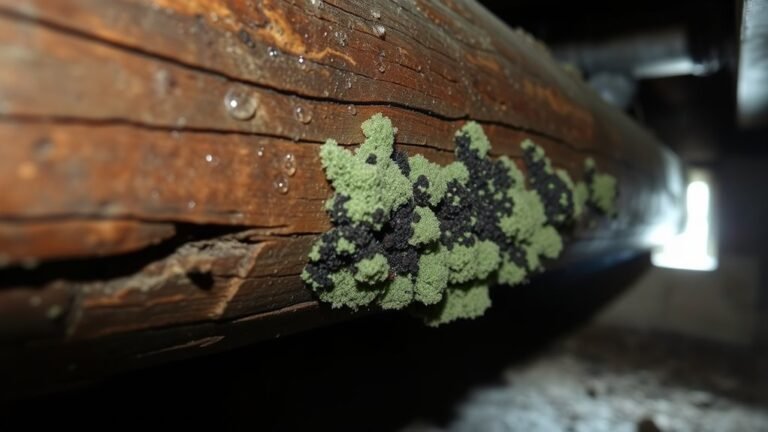
If you notice peeling, chipping, or blotchy paint on your stained wood, it’s usually a sign that the surface wasn’t prepped properly or the primer didn’t do its job.
Stain bleeds can cause dark spots to show through if you didn’t use a stain-blocking primer to ensure coverage. Painting over stained wood without sanding glossy surfaces can also cause uneven finishes.
To fix these issues, start by sanding the wood thoroughly to remove any clear coat and create a rough surface for better adhesion. Clean the area well, then apply a high-quality primer to ensure stain bleed doesn’t ruin your paint job.
Make sure to allow proper drying time between steps to avoid paint failure and get a smooth, lasting finish. Taking these steps really makes a difference in how your paint holds up!
When to Paint Over Stained Wood vs. Keeping It Natural
Although stained wood can add warmth and character to your space, you might choose to paint over it if the surface shows damage, looks outdated, or you want a consistent color throughout the room.
Consider painting over stained wood when:
- The wood condition reveals a damaged stain or discoloration
- You desire a uniform color to match new decor
- The old stain clashes with your updated style
- Maintenance simplicity is a priority over showcasing grain
On the other hand, keep the natural finish if the stained wood is in good condition and you want to preserve its wood grain and unique character.
The choice depends on your aesthetic goals and the wood’s condition. Painting over is practical for renewal, while natural finishes highlight inherent beauty.
Frequently Asked Questions
What Kind of Paint Will Stick to Stained Wood?
You’ll want to use latex or acrylic paint with a high-quality, stain-blocking primer to make sure it sticks well. Avoid oil-based paints unless you prime thoroughly.
Also, apply multiple thin coats for the best finish. This approach helps the paint adhere better and look smoother in the end.
What Is the Best Way to Paint Over Dark Stained Wood?
You’ll want to sand that dark stained wood like you’re erasing history, then slap on a stain-blocking primer twice.
Finish with thin, even coats of quality paint, and you’ll conquer that surface like a pro.
Can I Paint Over Stained Wood Without Sanding It?
Yes, you can paint over stained wood without sanding it if you clean the surface well and apply a stain-blocking, high-quality bonding primer.
Just remember, skipping sanding might risk uneven paint and stain bleed-through. So, it’s a bit of a trade-off, but totally doable if you prep properly.
What Is the Best Finish to Use Over Stained Wood?
You’ll want to use a semi-gloss or enamel finish over stained wood for durability and easy cleaning.
Don’t forget to apply a bonding primer first, then protect it with polyurethane or polycrylic for extra toughness. It really helps the finish last longer and keeps your wood looking great.
Conclusion
You can definitely paint over stained wood, but proper prep is key. Imagine transforming your old, scratched dining table into a fresh, bright centerpiece with just a few steps—sanding, priming, and painting.
It takes effort, but the stunning results make it worth it. Whether you want a modern look or just to cover wear, painting stained wood lets you breathe new life into your space.
With the right preparation, painting stained wood is a fantastic way to update your furniture or décor. It’s all about sanding down the surface to remove the finish, applying a good primer, and then choosing the perfect paint color. This process not only covers imperfections but also ensures your paint sticks well and lasts longer.
In the end, painting over stained wood is a rewarding project that can completely change the vibe of your room. So, if you’re wondering, “Can stained wood be painted over?” the answer is a confident yes—with some patience and the right prep, you’ll have a beautiful, refreshed piece that you can truly be proud of.