How to Safely Burn Treated Wood Step by Step
To safely burn treated wood, you first need to confirm it’s pressure-treated. Look for a greenish tint or certification labels on the wood. If you’re unsure, it’s best to avoid burning it altogether.
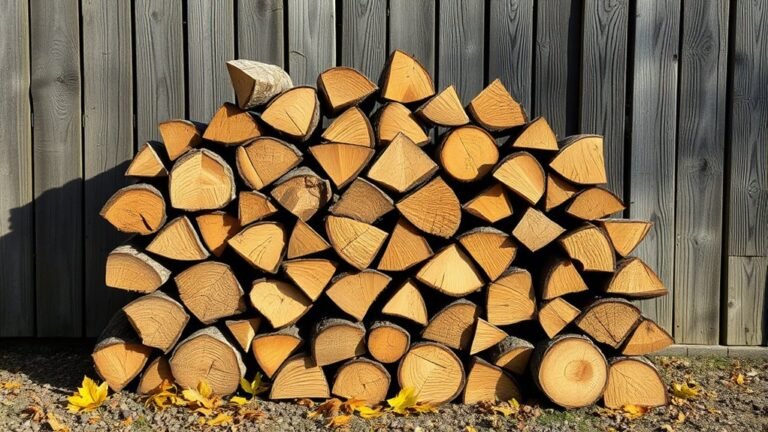
Next, store the wood dry and in a well-ventilated place for at least six months. Keep it on a raised platform and cover it with breathable material to protect it from moisture.
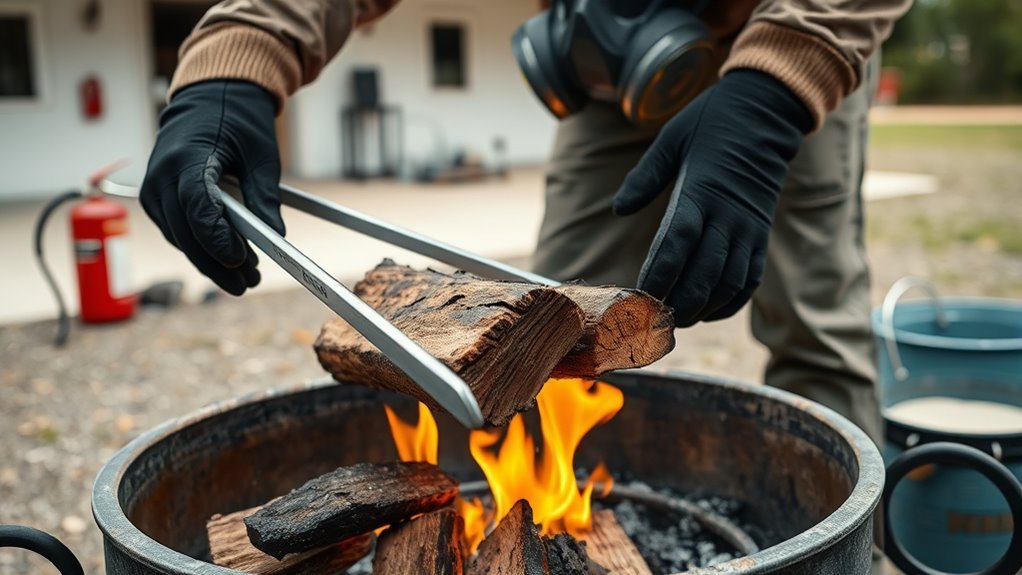
When it’s time to burn, start with a hot, well-ventilated fire. Only add the treated wood once the fire is well established.
Don’t forget to wear protective gear to keep yourself safe.
After burning, handle the ash carefully. Store it securely and arrange for proper disposal.
Following these steps helps protect your health and the environment. There’s more to safely managing each stage than just burning the wood.
Key Takeaways
- Confirm the wood is pressure-treated and has been dry for at least six months before burning. This helps minimize harmful emissions.
- Start a hot, well-ventilated fire using untreated wood first. Then, carefully add the treated wood once the fire is going strong.
- Always burn treated wood only in open, well-ventilated areas. Keep it away from sensitive environments or water sources to avoid contamination.
- When handling treated wood or its ash, wear chemical-resistant gloves, a dust mask, and goggles. Safety first!
- After burning, collect the cooled ash safely. Store it in sealed containers and dispose of it according to your local hazardous waste regulations.
What Is Pressure-Treated Wood and Why It Matters for Burning
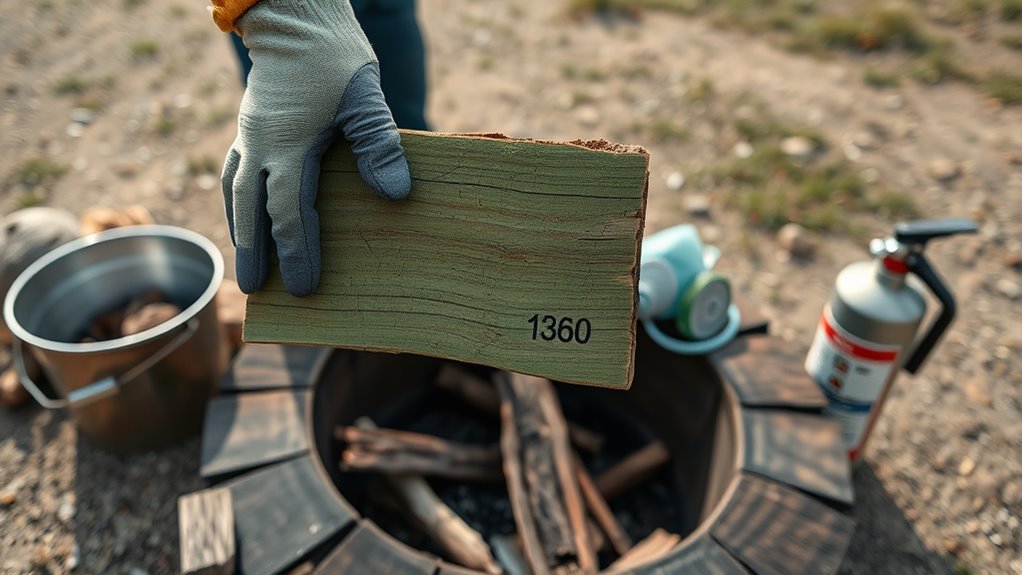
Although pressure-treated wood is prized for its durability and resistance to decay, you should never burn it. This wood undergoes a special process where chemicals like copper, arsenic, and chromium get injected under high pressure to protect it from insects, fungi, and rot.
That’s why pressure-treated wood often has a greenish tint and is popular for outdoor projects like fencing and landscaping. The treatment makes it long-lasting, but those same chemicals make burning it unsafe.
When you burn pressure-treated wood, harmful substances are released into the air. Understanding what pressure-treated wood is and why it matters is essential before considering burning any wood, so you can avoid health risks and environmental damage. Always handle this wood with care.
Dangers of Burning Pressure-Treated Wood Indoors or Outdoors
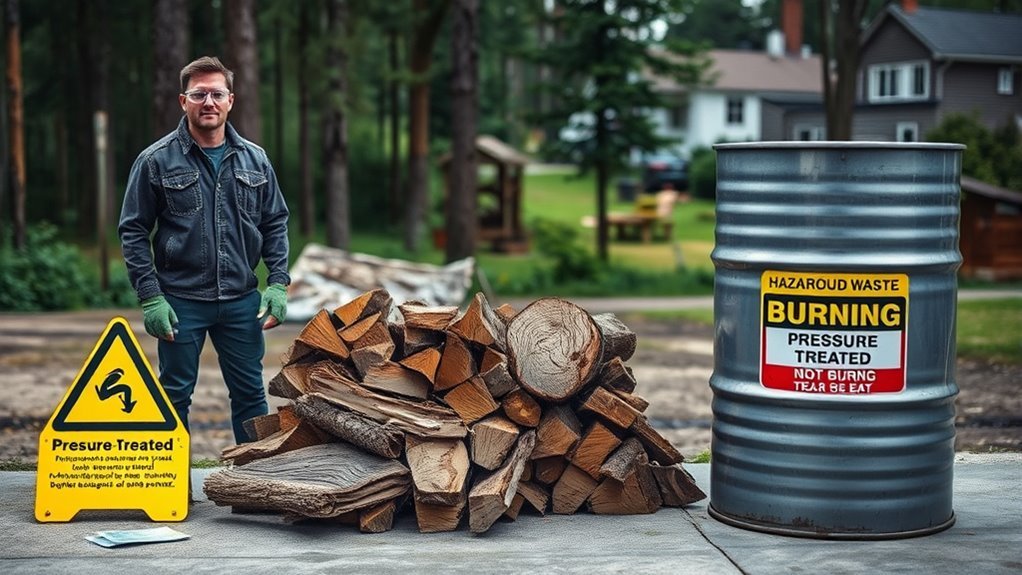
When you burn pressure-treated wood, whether indoors or outdoors, you release toxic chemicals like arsenic, copper, and chromium into the air. These can seriously harm your health and the environment.
These chemicals don’t just burn off. Instead, they contaminate the soil, water, and air around you.
Here are four essential dangers you face when burning pressure-treated wood:
- Inhaling toxic fumes can cause respiratory problems and skin irritation.
- The hazardous chemicals contribute to long-term health risks.
- Environmental pollution escalates, affecting wildlife and ecosystems.
- Burning pressure-treated wood often violates local safety and environmental regulations.
Because of these serious risks, it’s vital to avoid burning pressure-treated wood. Doing so helps protect both you and the planet.
How to Spot Pressure-Treated Wood Before You Burn
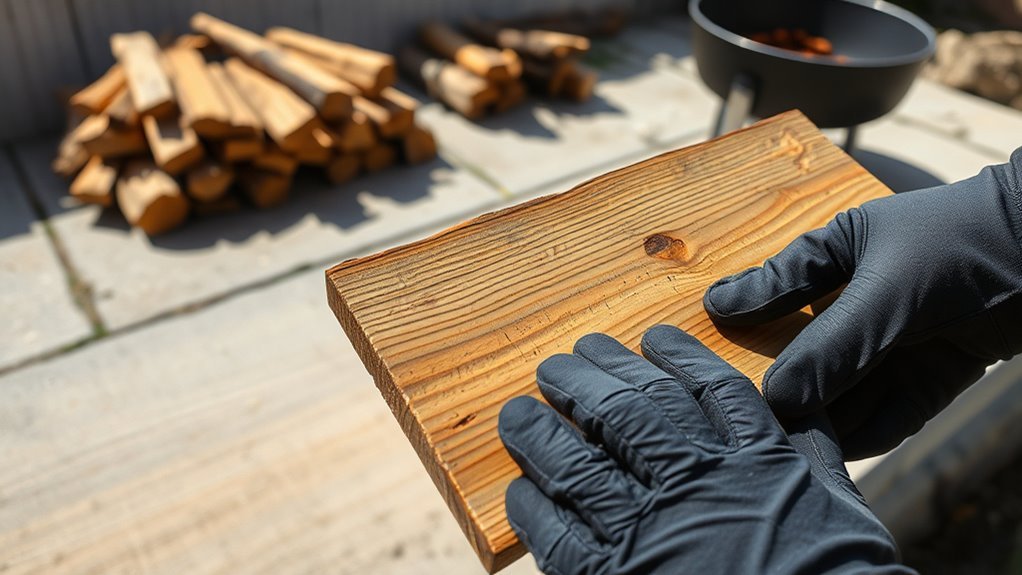
Since burning pressure-treated wood poses serious health and environmental risks, you need to identify it before using any wood as fuel. Pressure-treated wood often has a greenish tint from the chemicals used during treatment, but this isn’t always obvious.
Sometimes, treated wood looks like regular lumber, so visual cues can be unreliable. Older CCA-treated lumber may show distinct colors or markings, but modern pressure-treated wood often lacks visible signs.
To be certain, check for certification labels or ask for documentation confirming the wood’s treatment status. If you’re ever in doubt, just avoid burning the wood.
Always verify the origin and treatment before burning pressure-treated wood to protect your health and the environment. It’s better to be safe than sorry!
Local Rules and Expert Advice on Pressure-Treated Wood Burning
Because burning pressure-treated wood releases toxic chemicals and heavy metals like arsenic and chromium, experts strongly advise against it. You need to follow local rules and expert advice closely to avoid serious health risks.
Here’s what you should know:
- Most local regulations ban burning pressure-treated wood, especially in residential areas and outdoor fire pits.
- Proper disposal at designated landfills or waste facilities is usually required to prevent environmental contamination.
- Agencies like the EPA and HSE warn that burning pressure-treated wood releases hazardous pollutants harmful to you and the environment.
- Safety advisories recommend using untreated or certified firewood instead to avoid the pressure of toxic exposure.
Stick to these guidelines to protect yourself and your community from dangerous emissions. It’s really about keeping everyone safe and healthy!
Safe Wood Alternatives for Burning Projects
Although it might be tempting to use any wood you find, choosing untreated, seasoned hardwoods like oak, maple, or hickory that have been dried for at least six months guarantees safer burning and cleaner air. These safe wood alternatives minimize toxic fumes and ensure a steady burn.
Avoid wood with chemical treatments or unusual smells to protect yourself from hazardous emissions. You might also consider non-wood options like heat guns or scorch markers for fire projects.
Always source your wood carefully and store it dry.
| Wood Type | Seasoning Time | Benefits |
|---|---|---|
| Oak | 6+ months | Long burn, less smoke |
| Maple | 6+ months | High heat, clean |
| Hickory | 6+ months | Intense heat, safe |
How to Season and Prepare Wood for Safe Burning
Choosing the right wood is only part of the process; preparing it properly guarantees a safer and more efficient burn. When dealing with pressure treated wood, seasoning and preparation become even more vital to minimize harmful emissions.
Follow these steps to properly season and prepare your wood:
- Split the wood into smaller pieces to promote even drying and airflow.
- Dry the wood outdoors in a well-ventilated area for at least six months to reduce moisture.
- Store the seasoned wood off the ground on a raised platform to prevent moisture absorption.
- Cover the top with a breathable material to protect it from rain while allowing moisture to escape.
Before burning, always check that the wood’s interior is completely dry and free from green or wet spots.
Build a Hot, Ventilated Fire to Reduce Pressure-Treated Wood Risks
When you build a hot, well-ventilated fire, you substantially reduce the risks associated with burning pressure-treated wood. Start with dry, seasoned wood arranged loosely to guarantee proper airflow. This helps the fire burn cleaner and hotter.
Keep the temperature high to promote complete combustion. That way, you minimize harmful chemical emissions from the pressure treatment. It’s a smart way to make the fire safer.
Make sure to open nearby vents or windows to let fumes disperse effectively. Only add pressure-treated wood once the fire is fully established and intensely burning. This ensures the chemicals break down better.
Keep an eye on the heat and adjust airflow regularly to sustain the burn. Doing so helps reduce chemical residues and keeps your fire safer overall.
| Step | Purpose |
|---|---|
| Use dry, seasoned wood | Guarantee high, clean-burning heat |
| Arrange logs loosely | Maximize airflow and ventilation |
| Add treated wood later | Promote complete chemical breakdown |
Protective Gear You Need When Burning Pressure-Treated Wood
Since burning pressure-treated wood releases harmful chemicals and particles, you need to wear the right protective gear to stay safe. Handling and burning this wood without proper protection can expose you to toxic dust and fumes.
Here’s the essential protective gear you should use:
- Chemical-resistant gloves and a dust mask to prevent skin contact and inhalation of particles.
- Safety goggles to shield your eyes from dust, splinters, and chemical residues.
- A long-sleeved, flame-resistant shirt to reduce skin exposure to heat and chemicals.
- A respirator mask rated for chemical vapors, especially in enclosed or poorly ventilated areas.
Always make sure you’re fully equipped with proper protective gear before burning pressure-treated wood. It really helps minimize health risks and keeps you safe.
Disposing of Ash and Residue From Pressure-Treated Wood Safely
How should you handle the ash and residue left after burning pressure-treated wood? First, make sure the ash is completely cooled before you touch or bag it. This helps avoid accidental fires or chemical releases.
For safe disposal, never dump the ash in the environment or burn it again. Also, avoid using it in compost, garden soil, or for planting since it can contain harmful chemicals.
Instead, take the ash and residue to a local landfill or waste disposal center that accepts hazardous materials. Be sure to follow your local regulations closely, as pressure-treated wood ash may be classified as hazardous waste.
When in doubt, consult waste management authorities for guidance on proper disposal procedures. This way, you keep yourself and the environment safe.
Frequently Asked Questions
Can You Burn Treated Wood Safely?
You can’t safely burn treated wood because it releases toxic chemicals.
So, it’s best to avoid burning it altogether. Instead, you should dispose of it at designated facilities.
This way, you protect your health and the environment from harmful pollutants. It’s better to be safe than sorry!
What Is the Best Way to Dispose of Treated Lumber?
The best way to dispose of treated lumber is by taking it to a local hazardous waste facility. Don’t burn it—burning releases toxic chemicals.
Always separate treated wood from untreated and follow your area’s disposal regulations carefully. It’s important to handle this stuff properly to keep everyone safe.
How Long Does Treated Wood Stay Toxic?
Treated wood stays toxic for decades because its chemical preservatives break down slowly. You shouldn’t assume it becomes safe quickly, so always handle and dispose of it carefully to avoid exposure to harmful chemicals.
It’s better to be cautious than sorry when dealing with treated wood. Just take your time and follow safety guidelines to keep yourself and others safe.
Why Is It Illegal to Burn Treated Wood?
It’s illegal to burn treated wood because it releases toxic chemicals like arsenic and chromium into the air. These chemicals can seriously harm your health and the environment.
Laws are in place to protect you by preventing dangerous pollution from burning treated lumber. So, even though it might seem convenient, it’s just not safe or legal to burn treated wood.
Conclusion
Burning treated wood is like walking a tightrope—you need balance and care to stay safe. Always know what you’re burning, follow local rules, and choose safer wood alternatives when possible.
Season your wood well, build a hot, ventilated fire, and never forget your protective gear.
Finally, dispose of ash responsibly to protect yourself and the environment. By taking these steps, you’ll keep your fire safe and your air clean.
Remember, safely burning treated wood means understanding the risks and handling it with caution. Using proper techniques and protective gear helps prevent harmful fumes. Always check your local regulations before burning treated wood, and opt for untreated or natural wood when you can. Proper disposal of ashes is just as important for safety and environmental health. Following these simple steps ensures you can burn treated wood safely while minimizing harm to yourself and the planet.