How Do You Get Nail Polish Off Wood Floors Safely?
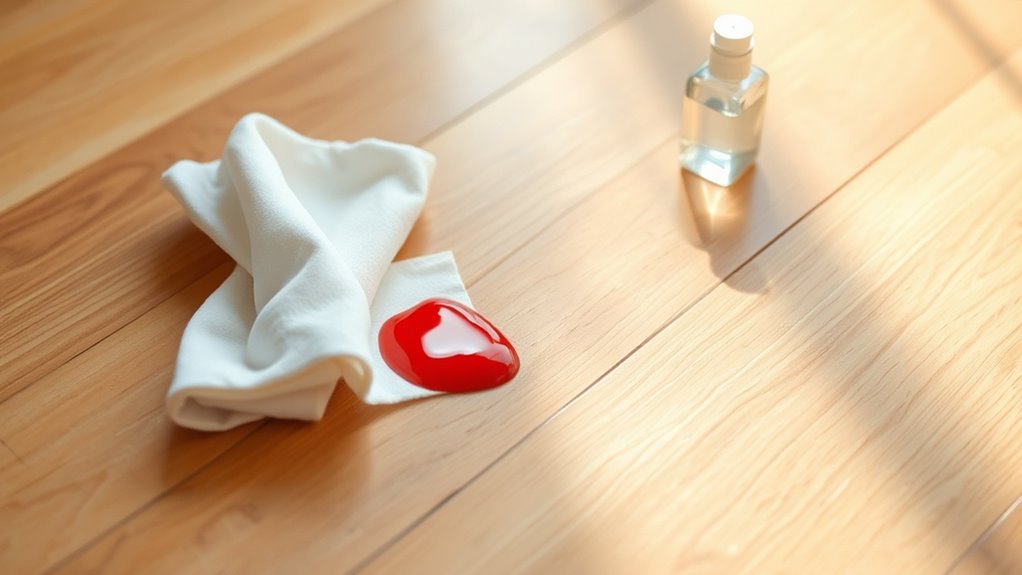
If you spill nail polish on wood floors, it’s important to act quickly to prevent stains and damage. Start by blotting the spill with a soft cloth—just blot, don’t rub, because rubbing can push the polish deeper or scratch the wood.
Nail polish on wood floors can be tricky, but there are safe ways to remove it without harming the finish.
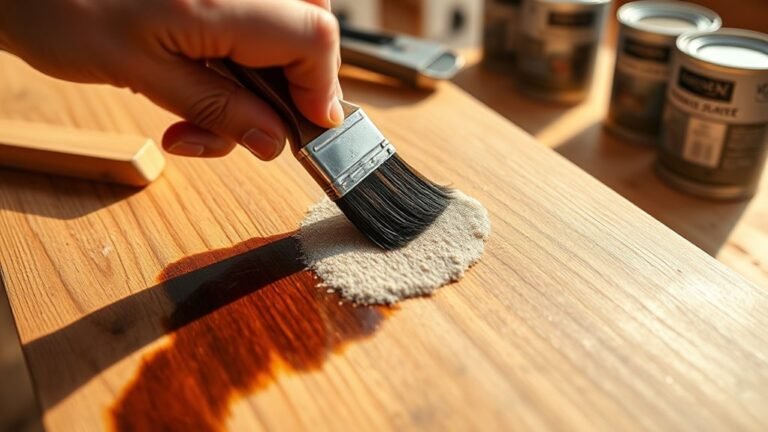
One handy trick is to sprinkle white sugar over the fresh polish. The sugar helps absorb the polish, making it easier to sweep away gently.
For spots that have dried, try dabbing a cotton swab with acetone or rubbing alcohol on a hidden area first. This test spot ensures you won’t damage the wood’s finish.
Once you’ve confirmed it’s safe, gently lift the polish without soaking the wood. If the polish is stubborn, you can use minor heat by placing a towel over the spot and pressing an iron on low heat briefly to soften it.
Just remember, always test your method in an inconspicuous area to keep your wood floors looking their best.
Key Takeaways
- Blot fresh nail polish gently with a paper towel without rubbing. This helps absorb the excess polish and avoids spreading the stain.
- Test acetone or rubbing alcohol on a hidden spot first. Then, carefully apply a small amount with a cotton swab to lift the polish.
- Sprinkle white sugar over fresh spills to absorb the polish. After several minutes, sweep or vacuum it up to reduce staining.
- Use a warm iron over a towel with steam to soften the polish. This makes it easier to lift gently without damaging the wood finish.
- Wipe immediately with a damp cloth after removing the polish. Then, clean the area with a gentle wood floor cleaner to protect the surface.
Immediate Steps to Take When Nail Polish Spills on Wood Floors
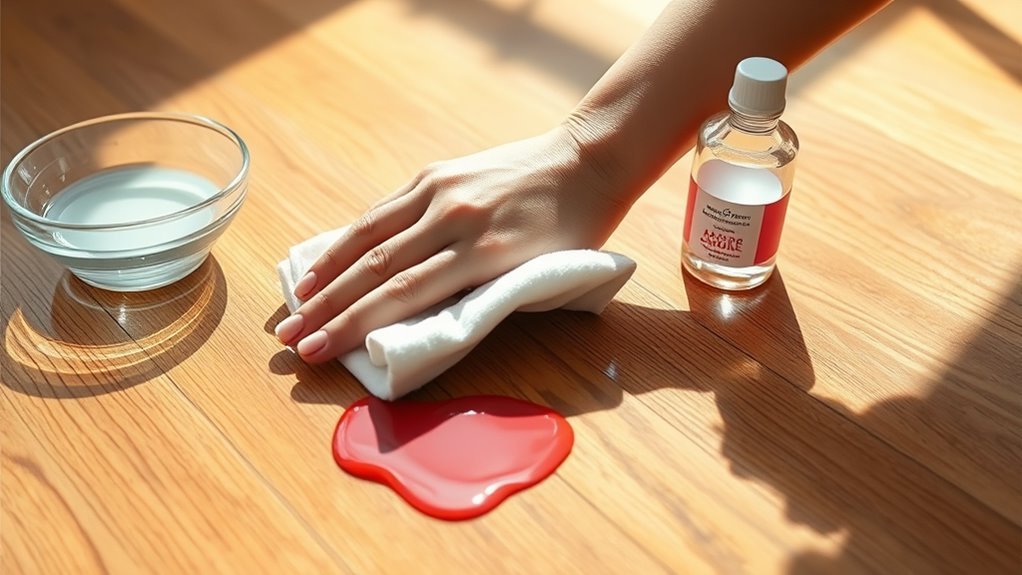
If you spill nail polish on your wood floor, act quickly to prevent it from drying and staining the surface. First, gently blot the spill with a paper towel or soft cloth to absorb as much polish as possible without spreading it. Avoid rubbing the stain, as that could push the polish deeper into the wood or damage the finish.
If the polish is still wet, you can cover the area with a plastic bag and press gently to contain it. Once you’ve blotted the excess, prepare your cleaning tools. Nail polish remover or rubbing alcohol works well, but test them on a small hidden spot first to ensure they won’t harm your wood floor’s finish.
Then, carefully apply your chosen cleaner to remove the polish without causing damage. Just take it slow and be gentle, and you should be able to get that spill cleaned up without any trouble.
Using White Sugar to Absorb Fresh Nail Polish

When fresh nail polish spills on your wood floor, you can quickly sprinkle white sugar over the area to absorb the liquid. Make sure to cover the spill generously and let the sugar sit for several minutes. This allows it to absorb the polish, preventing it from soaking into the wood and minimizing stains.
Once the sugar hardens, gently sweep or vacuum it away. If stains persist, avoid harsh scrubbing. Instead, consider professional cleaning or using mineral spirits cautiously to protect the wood finish.
| Step | Action | Purpose |
|---|---|---|
| Sprinkle Sugar | Cover spill generously | Absorb wet polish |
| Wait | Let sit for minutes | Prevent polish penetration |
| Remove Sugar | Sweep or vacuum gently | Minimize wood damage |
Safely Applying Acetone for Nail Polish Removal
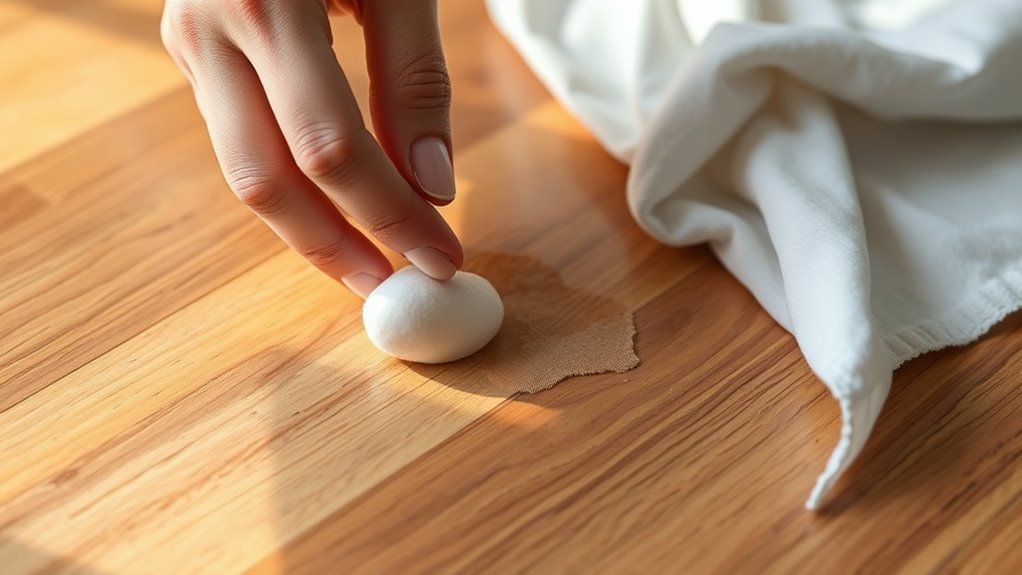
Before using acetone, test it on a hidden spot to make sure it won’t damage your wood floor. Apply it carefully with a cotton swab directly onto the nail polish, avoiding oversaturation.
After the polish lifts, gently wipe the area with a damp cloth to remove any leftover acetone and protect your floor’s finish. This way, you keep your floors looking great without any damage.
Testing Acetone Compatibility
Since acetone can react differently with various wood finishes, you’ll want to test it on a small, hidden spot of your floor first. Apply a tiny amount using a cotton swab or soft cloth to avoid soaking the wood.
Wait at least 24 hours to watch for any changes in color, finish, or texture. This step helps guarantee acetone won’t damage or discolor your floor.
Avoid using acetone on unsealed or delicate wood surfaces, as it can strip or warp them. Also, check your floor’s manufacturer guidelines before applying acetone.
Taking these precautions lets you safely confirm acetone compatibility, protecting your wood floor while preparing to remove the nail polish stain effectively.
Targeted Application Techniques
Although acetone can effectively dissolve nail polish, you’ll want to apply it with care to avoid damaging your wood floor. First, test acetone on a hidden spot.
Then, dampen a cotton swab or cloth lightly—don’t soak it. Gently dab or rub the polish stain’s edges to avoid spreading. Wipe excess acetone and polish off immediately with a clean cloth.
Never pour acetone over large areas; target small spots precisely.
| Step | Tip |
|---|---|
| Test acetone | Use an inconspicuous area first |
| Apply acetone | Dampen swab/cloth, avoid saturation |
| Treat stain | Focus on edges, dab gently |
| Remove residue | Wipe immediately with dry cloth |
| Avoid overuse | Limit acetone to stained spots only |
Post-Removal Floor Care
When you’ve removed the nail polish, immediately wipe the area with a damp cloth to prevent acetone residue from settling into the wood. Be careful not to overapply acetone during removal since too much can damage the floor’s finish.
After wiping, use a gentle wood floor cleaner to neutralize any leftover chemicals and help restore the wood’s natural shine. Always test acetone on a hidden spot before applying it broadly to ensure your finish stays intact.
Once cleaned, dry the area thoroughly to avoid moisture damage that could warp or stain the wood. Following these steps helps maintain your floor’s integrity and appearance after removing nail polish safely.
When and How to Use Rubbing Alcohol on Wood Floors
You should use rubbing alcohol when your wood floor has a delicate finish that acetone might damage. Start by testing a small, hidden spot, then gently blot the nail polish with a cotton swab soaked in a small amount of alcohol.
Be careful not to saturate the wood, and always wipe the area with a damp cloth afterward to remove any residue. This helps keep your floor safe and looking great!
Appropriate Usage Timing
Since rubbing alcohol can damage unfinished or delicate wood, you should only use it on sealed, durable floors and test it first in a hidden spot.
Timing really matters when dealing with nail polish spills. It’s best to apply rubbing alcohol soon after you notice the stain to stop it from setting into the wood.
But if the polish feels fresh and thick, it’s better to wait until it softens or loosens up a bit before using alcohol. That way, removal is easier and less aggressive.
When you’re ready, lightly dampen a cotton swab or soft cloth with rubbing alcohol. Then gently blot the nail polish without soaking the wood.
Be careful not to over-saturate because too much liquid can harm the finish. And remember, never use rubbing alcohol on untreated or delicate wood to protect your floors.
Application Techniques
Although rubbing alcohol can effectively break down nail polish, applying it properly is crucial to protect your wood floor’s finish.
Here’s how to do it safely:
- Test a small, hidden area first to ensure the alcohol won’t damage or discolor the finish.
- Lightly dampen a cotton swab or soft cloth with rubbing alcohol—don’t soak it to avoid excess moisture.
- Gently blot or rub the nail polish stain, focusing on stubborn spots without pressing too hard.
- Immediately wipe the area with a clean, dry cloth to remove loosened polish and alcohol residue, preventing streaks.
Work in small sections and keep an eye on the floor’s reaction. This careful approach helps you remove polish effectively without harming your wood floors.
Employing Mineral Spirits for Gentle Stain Removal
When tackling nail polish stains on wood floors, mineral spirits offer a gentler alternative to harsher solvents like acetone. Since they’re milder, mineral spirits reduce the risk of damaging your floor’s finish.
Before applying, test them on a hidden spot to make sure they won’t harm your wood. Dab mineral spirits onto a cotton swab or soft cloth, then gently blot the stain—avoid vigorous rubbing to prevent wear.
After the polish loosens, wipe the area with a clean, damp cloth to remove any leftover solvent. Using mineral spirits sparingly and carefully helps eliminate nail polish safely while preserving your floor’s appearance.
This method balances effective stain removal with protecting your wood’s delicate finish. It’s a smart way to get rid of stains without messing up your floors.
Alternative Household Cleaning Solutions to Try
If you want to remove nail polish without harsh chemicals, you can try several household solutions that are gentle on wood floors. Always test these methods on a hidden spot first to avoid damage.
Here are four alternatives to contemplate:
- Mix mild dish soap with warm water and gently clean the stained area to avoid harming the finish.
- Apply a small amount of olive or mineral oil to loosen the nail polish for easier removal.
- Create a paste with baking soda and water; rub it gently on the polish to lift it without scratching the wood.
- Use commercial wood floor cleaners designed for stain removal, as they can safely dissolve nail polish residues.
These options help keep your floors safe while tackling the stain effectively. Give them a try!
Heat Method: Using an Iron to Lift Nail Polish
Since heat can soften nail polish, you can use an iron to lift the stain from your wood floor carefully. First, place a clean towel over the nail polish spill to protect the wood surface.
Set your iron to its highest temperature and move it in circular motions over the towel, generating heat without staying in one spot. Keep the iron moving constantly to avoid scorching the finish.
For better results, add steam to the iron to help loosen the polish more effectively. Repeat this process as needed, always ensuring the towel acts as a barrier between the heat and your wood floor.
This method softens and lifts the polish, making it easier to wipe away without harsh chemicals.
Precautions to Protect Your Wood Floor Finish
Though removing nail polish from wood floors is important, you’ll want to protect the finish by taking proper precautions. Follow these steps to keep your floor safe:
- Test any cleaning method on a small, hidden spot first to avoid unexpected damage. It’s better to be safe than sorry!
- Use gentle cleaners like mild soap or wood-specific products instead of harsh chemicals that can strip the finish. Harsh stuff can really mess things up.
- Limit moisture by applying liquids sparingly—too much can cause warping or swelling of the wood. Nobody wants a warped floor!
- If you use solvents like acetone or rubbing alcohol, wipe the area immediately with a dry cloth to reduce residue and potential harm. Quick action helps keep your floor looking great.
These precautions help maintain your wood floor’s beauty while effectively removing nail polish. So take care, and your floor will thank you!
Knowing When to Call a Professional Cleaner
Protecting your wood floor’s finish is key when removing nail polish, but sometimes the stain requires more than just at-home care. If you’ve tried multiple DIY methods and the polish stain remains or if you notice any visible damage to the wood, it’s time to call a professional cleaner.
Delicate or newly finished floors are especially vulnerable and could suffer further harm without expert handling. Professionals use specialized tools and safe products designed to remove stains without compromising the floor’s finish.
Plus, they can perform repairs if necessary, helping to preserve both the appearance and integrity of your flooring. When in doubt, hiring a pro guarantees the job gets done right, saving you time, effort, and potential costly mistakes.
Frequently Asked Questions
Will Acetone Hurt Hardwood Floors?
Yes, acetone can hurt hardwood floors by stripping or dulling their finish.
You should test it on a small, hidden spot first and avoid leaving it on too long to prevent damage.
It’s always better to be safe than sorry when dealing with hardwood finishes!
How to Remove Nails From Wood Without Damaging Wood?
You’ll want to use a claw hammer or pry bar gently, applying shallow leverage to avoid splitting the wood.
If nails resist, try penetrating oil. Then, fill holes with wood filler and sand smooth afterward.
How Can I Remove Furniture Polish From Wood?
You remove furniture polish by wiping gently with warm, soapy water. Test a wood-safe cleaner in a hidden spot first to make sure it won’t damage the finish.
After that, rinse with a damp cloth and dry thoroughly. Just be sure to avoid harsh chemicals and abrasive scrubbing, as these can harm your wood’s finish.
Can You Use Nail Polish Remover on Laminate Floors?
You shouldn’t use nail polish remover directly on laminate floors since it can cause damage.
Instead, test a small spot first, and opt for gentler cleaners like mild soap and water to protect your floor’s finish.
That way, you keep your floors looking great without risking any harm.
Conclusion
Did you know that over 70% of household nail polish spills happen during DIY manicures at home? Acting quickly and using safe methods like white sugar or gentle acetone can save your wood floors from permanent stains.
Always protect your floor’s finish by testing cleaning solutions first and avoiding harsh scrubbing. If the stain persists, don’t hesitate to call a professional.
With the right approach, you can keep your wood floors looking flawless after any nail polish mishap. Removing nail polish from wood floors safely is all about patience and using the right techniques. So next time you face a spill, remember these tips and keep your floors spotless without damage!